As we are now increasingly looking into water treatment and the water supply in our shed, we decided that it wouldn’t hurt to know a little more about what we are actually doing here. That’s why we enrolled on a 6 week Level 2 Diploma in Plumbing Studies (6035-02) course at City & Guilds. Contrary to expectations, the course was extremely helpful, instructive and, above all, great fun. We owe a lot of the fun to our instructor Iain, who was always able to pass on the tips with a lot of humour but also a lot of experience.
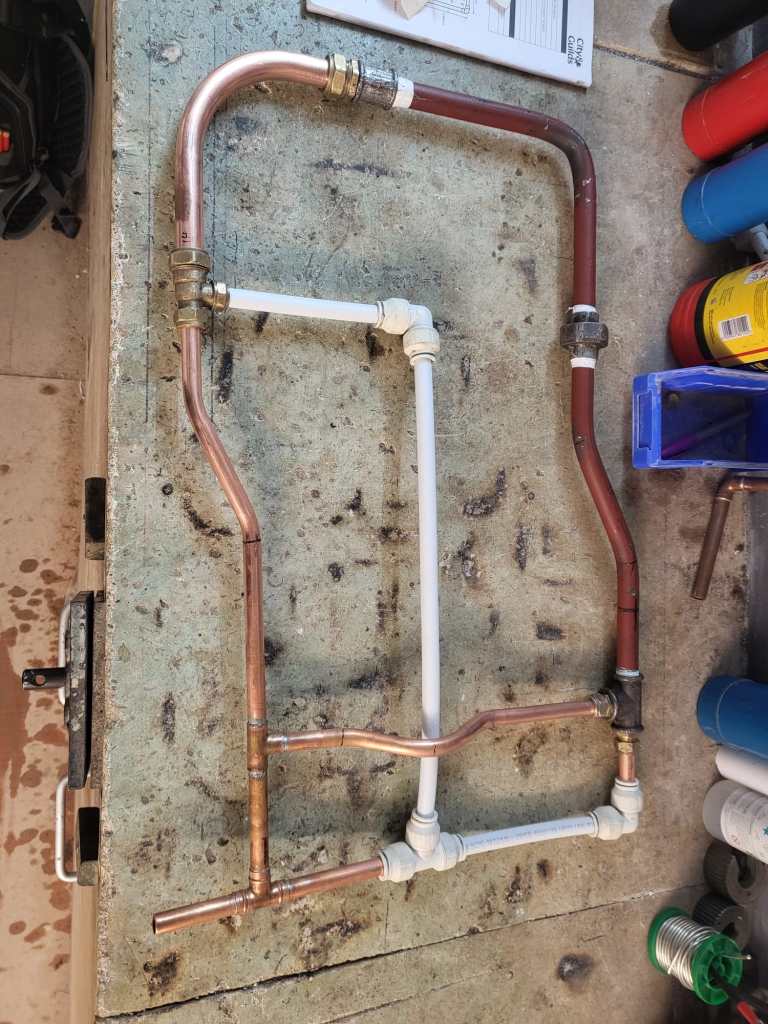
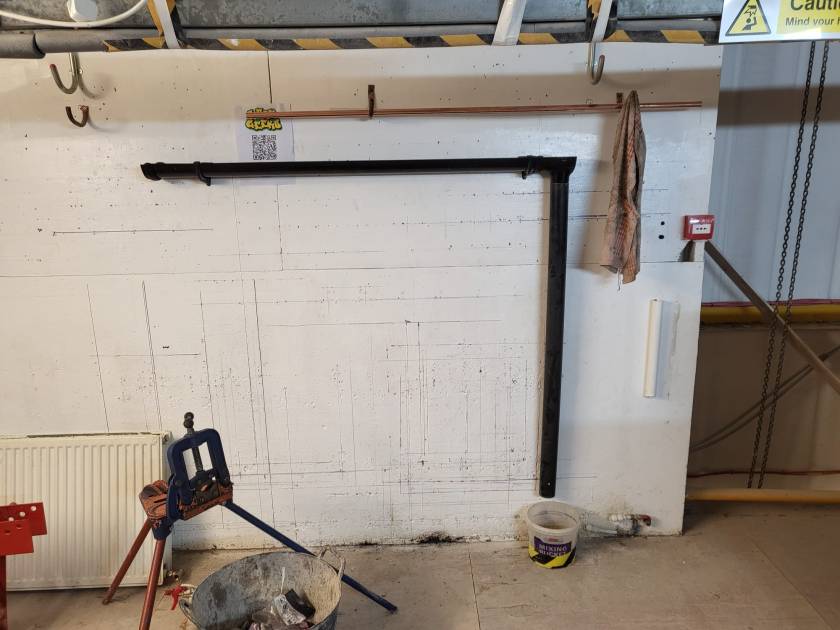
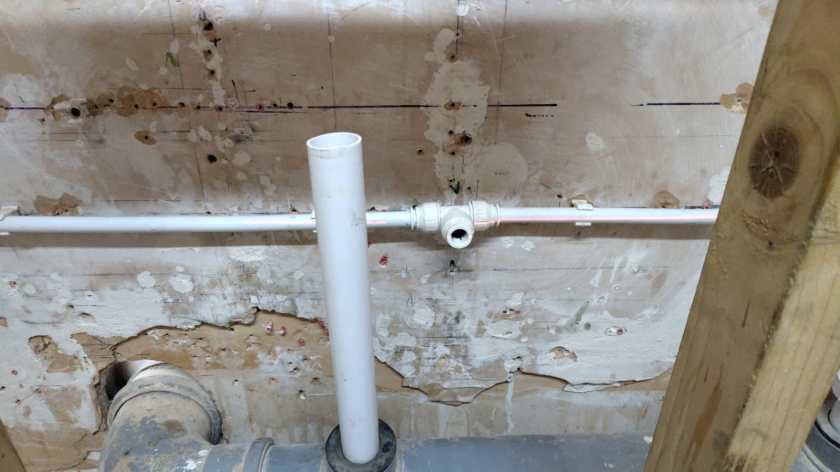
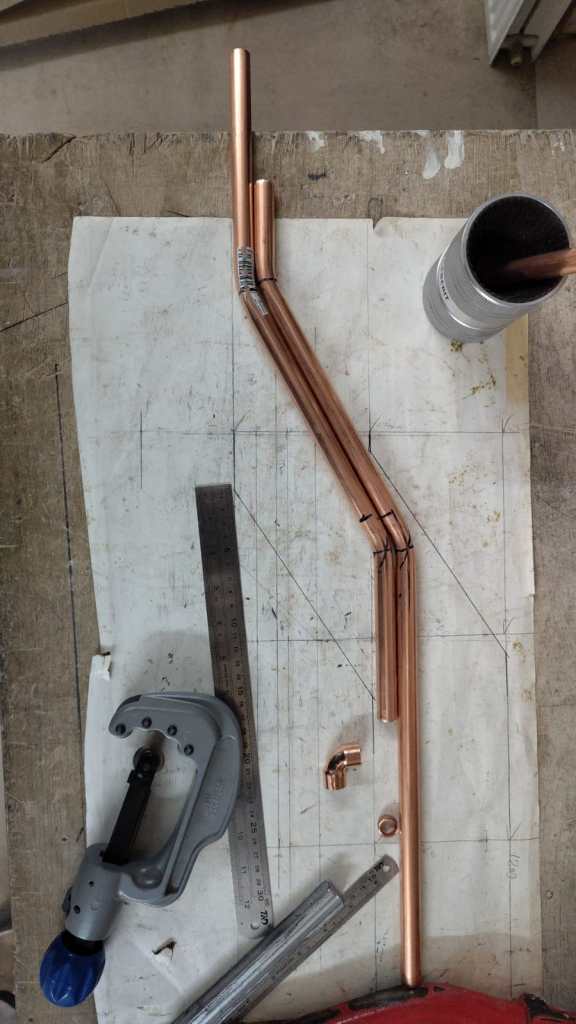
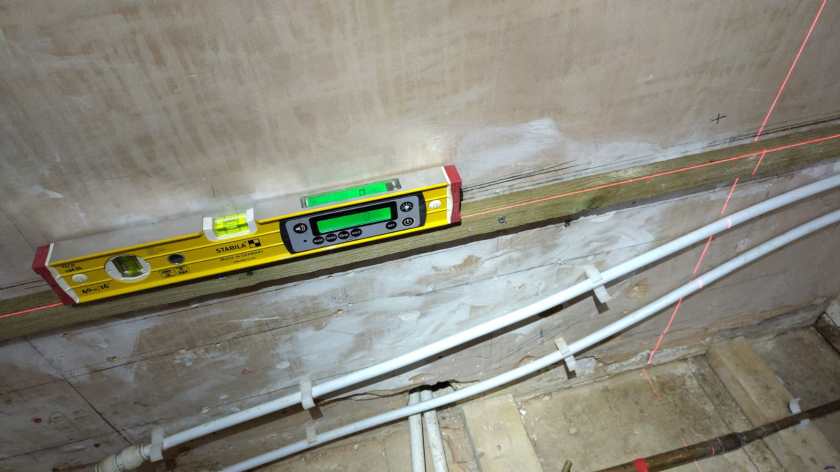
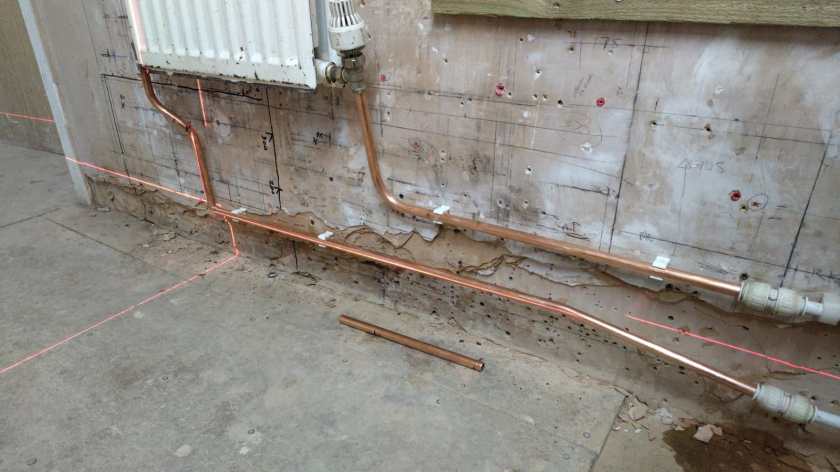
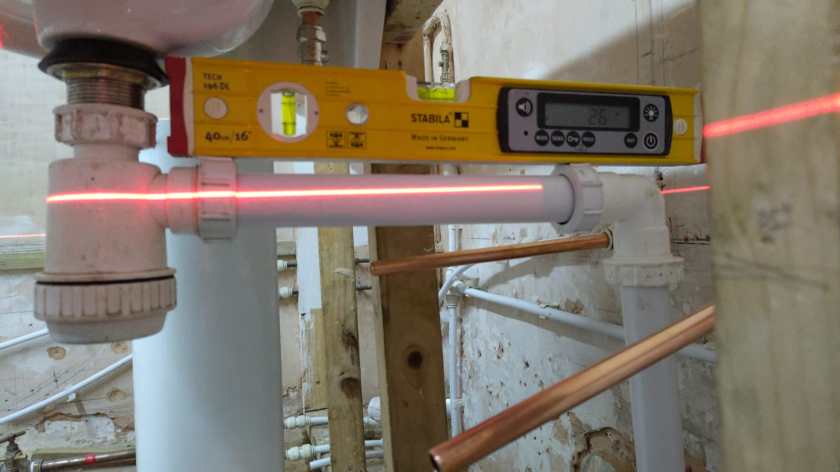
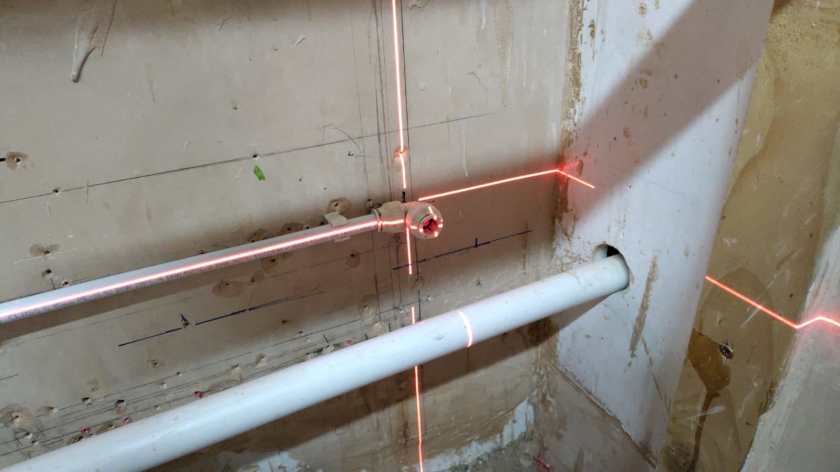
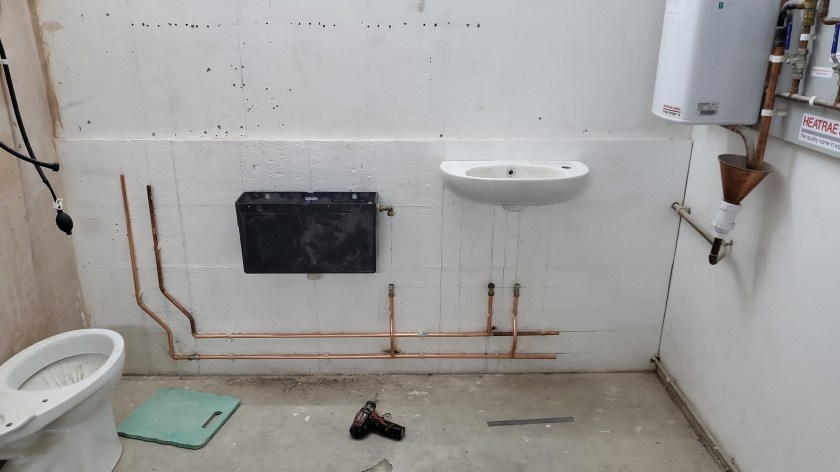
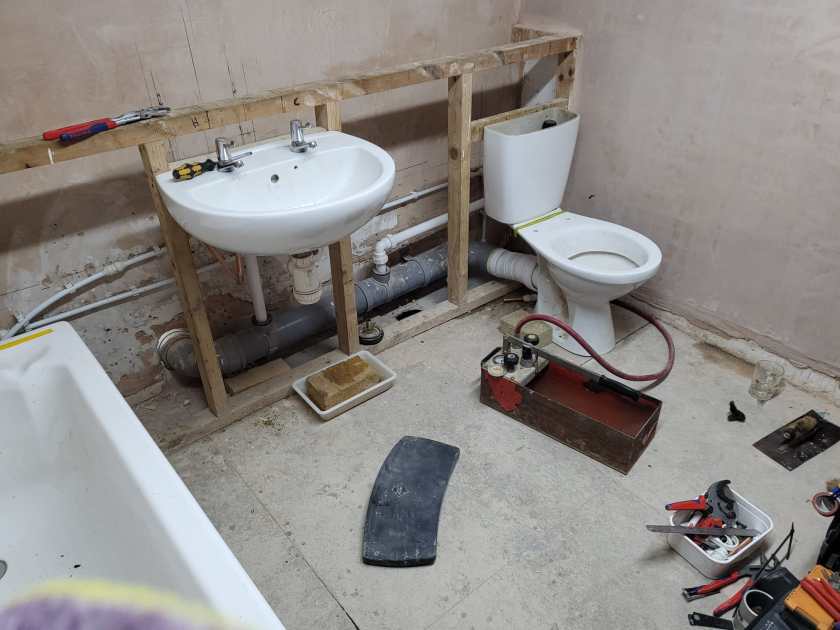
We learnt how to bend and solder copper and even threaded the dreaded LCS pipes, how to lay plastic pipes neatly, and how to make sure that everything is tight and does not leak.
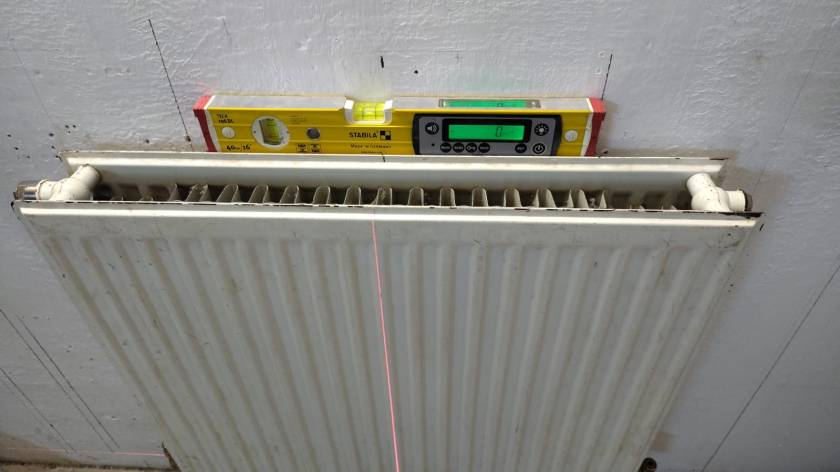
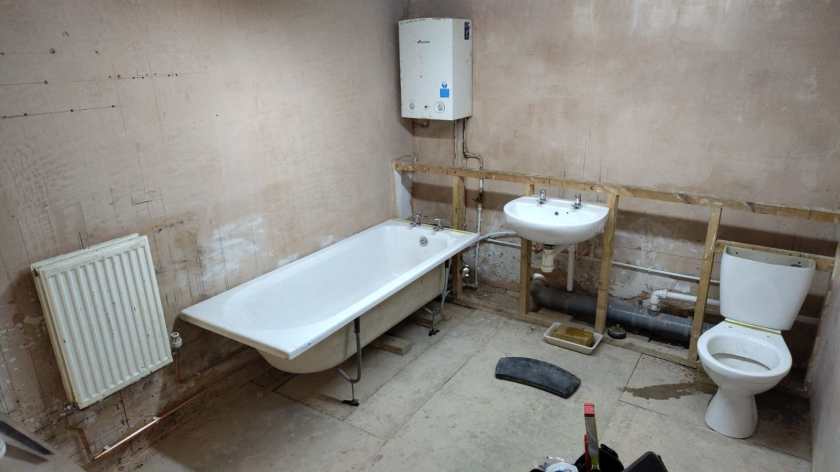
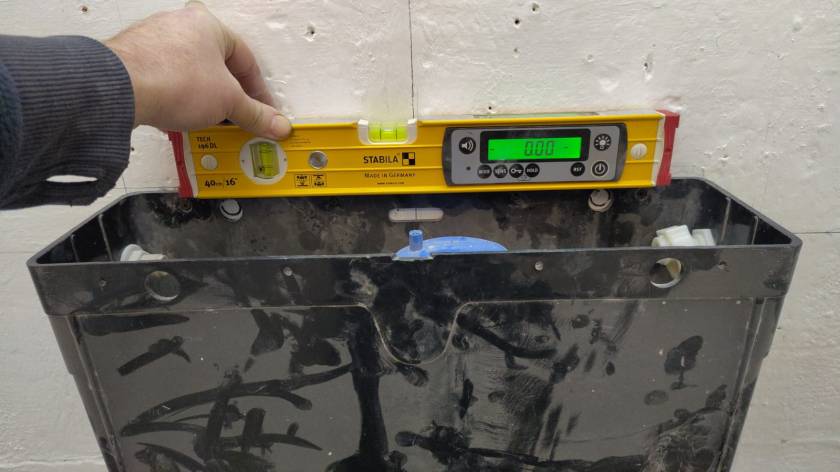
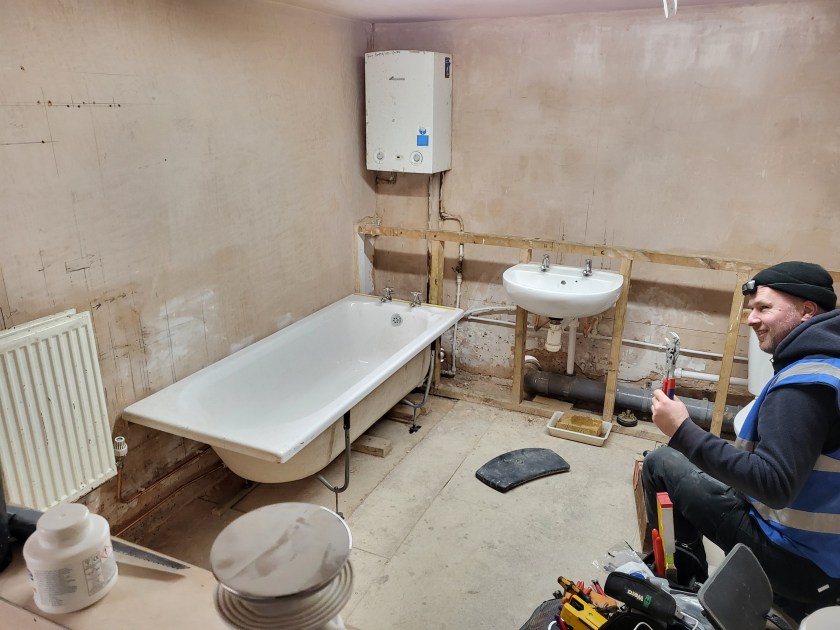
Ensuring a leak-free sanitary experienceOf course, not only when it comes to plumbing, only perfect is just good enough …… especially with the help of pro tools.Installed bath room
So, now we are even more ready and “beyond being prepared” than ever and neither radiators, showers, bathtubs, toilets nor washhand basins or kitchen sinks will put us off any longer… (not that they ever had)
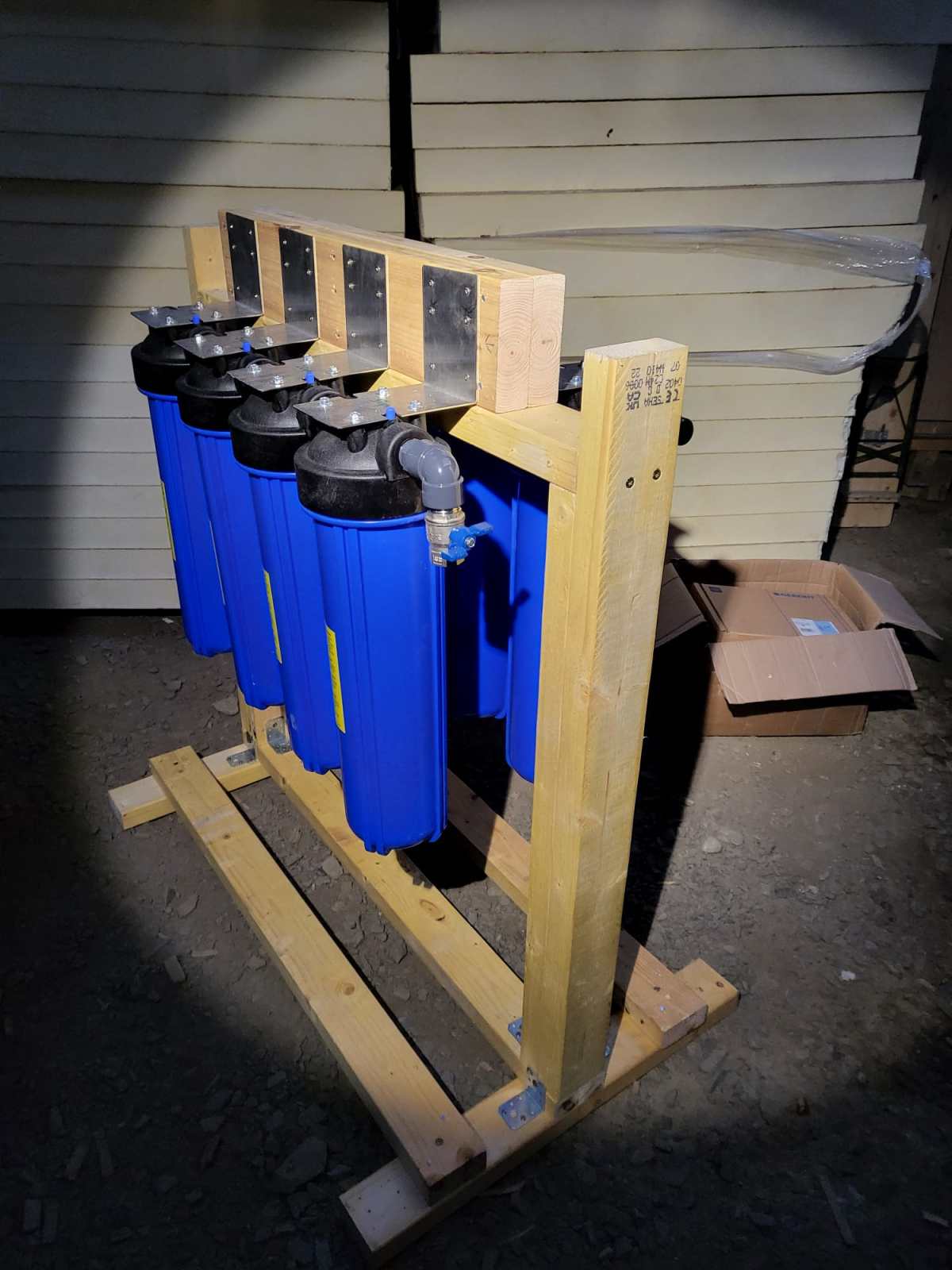
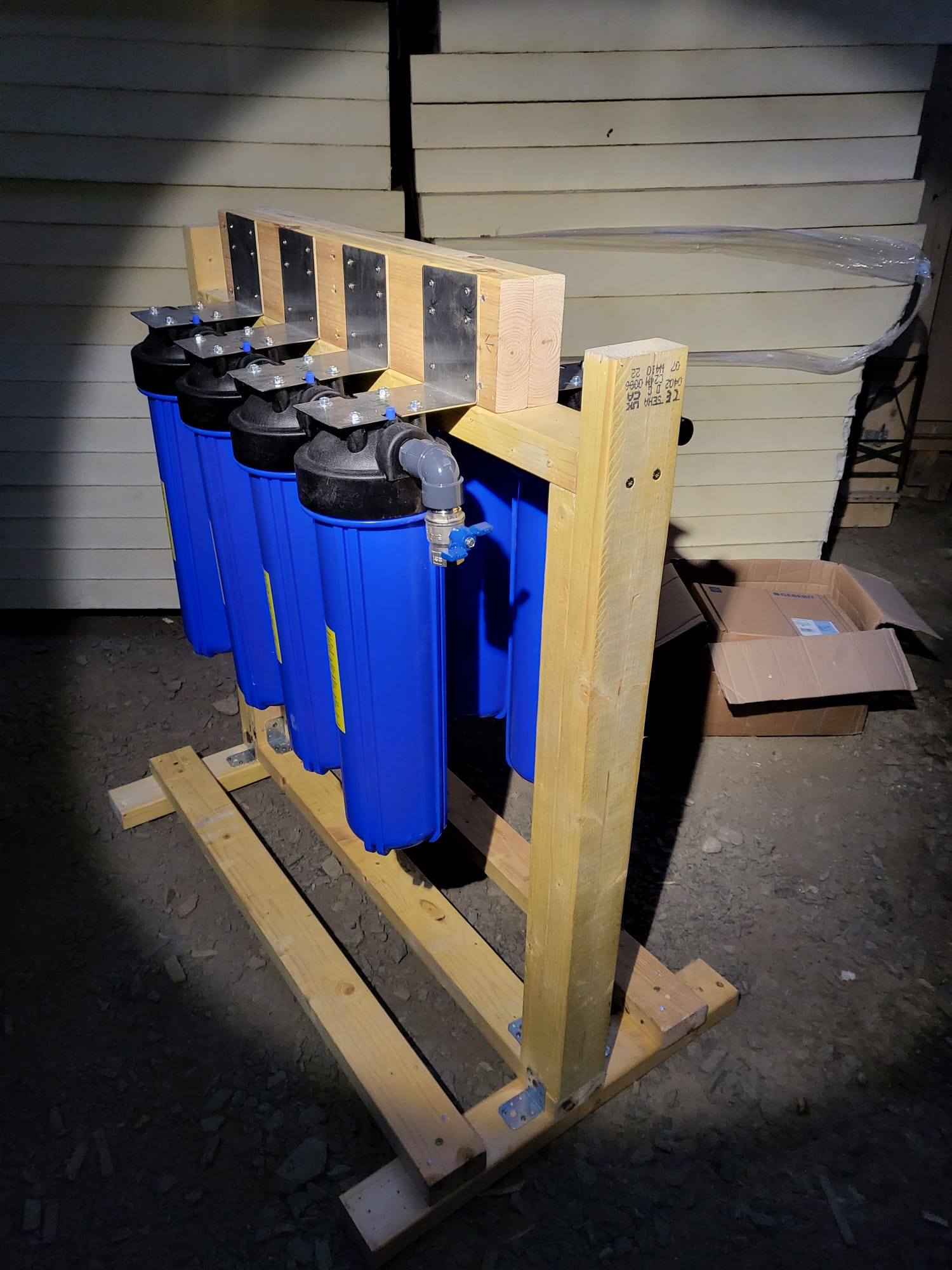
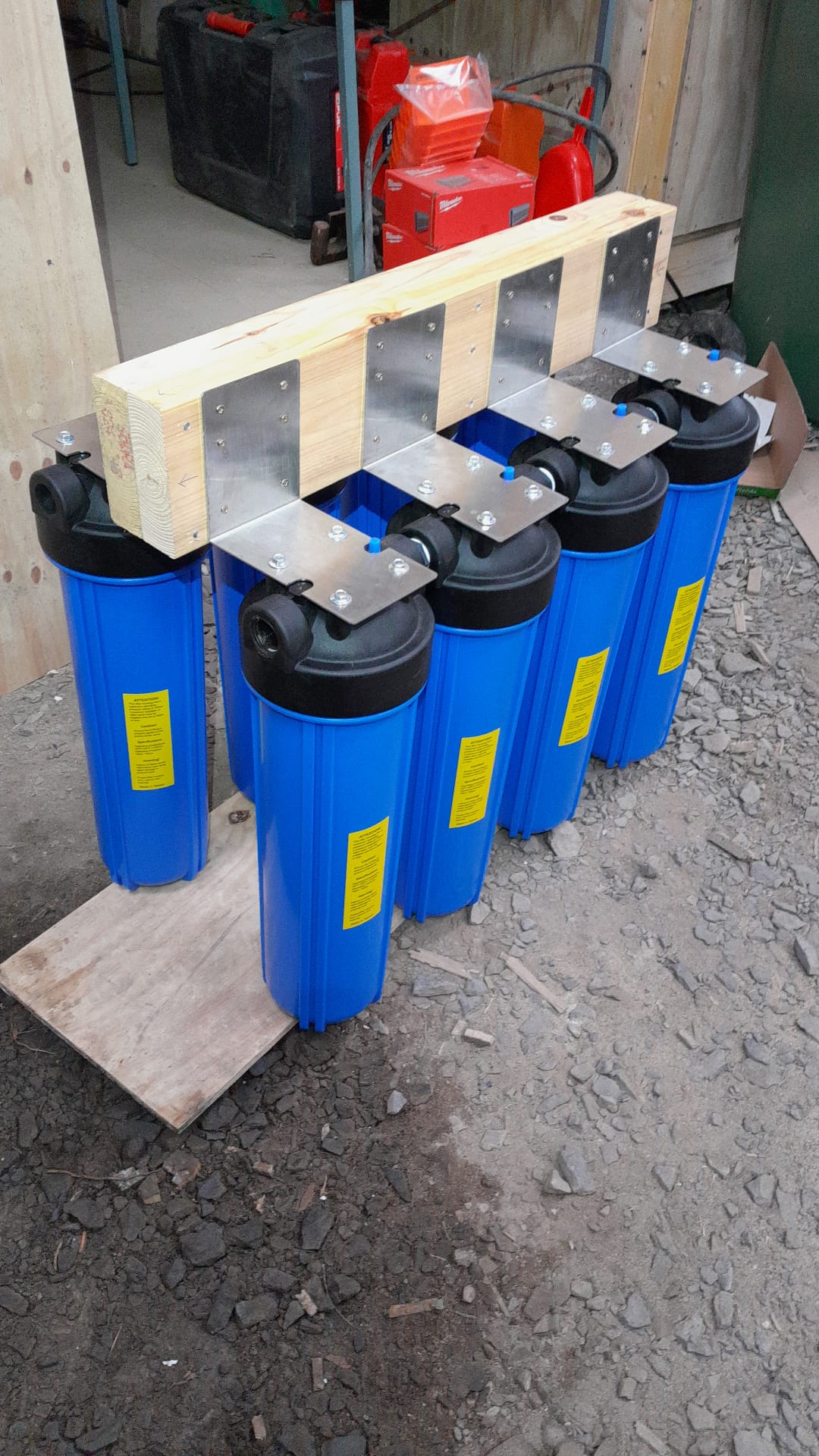
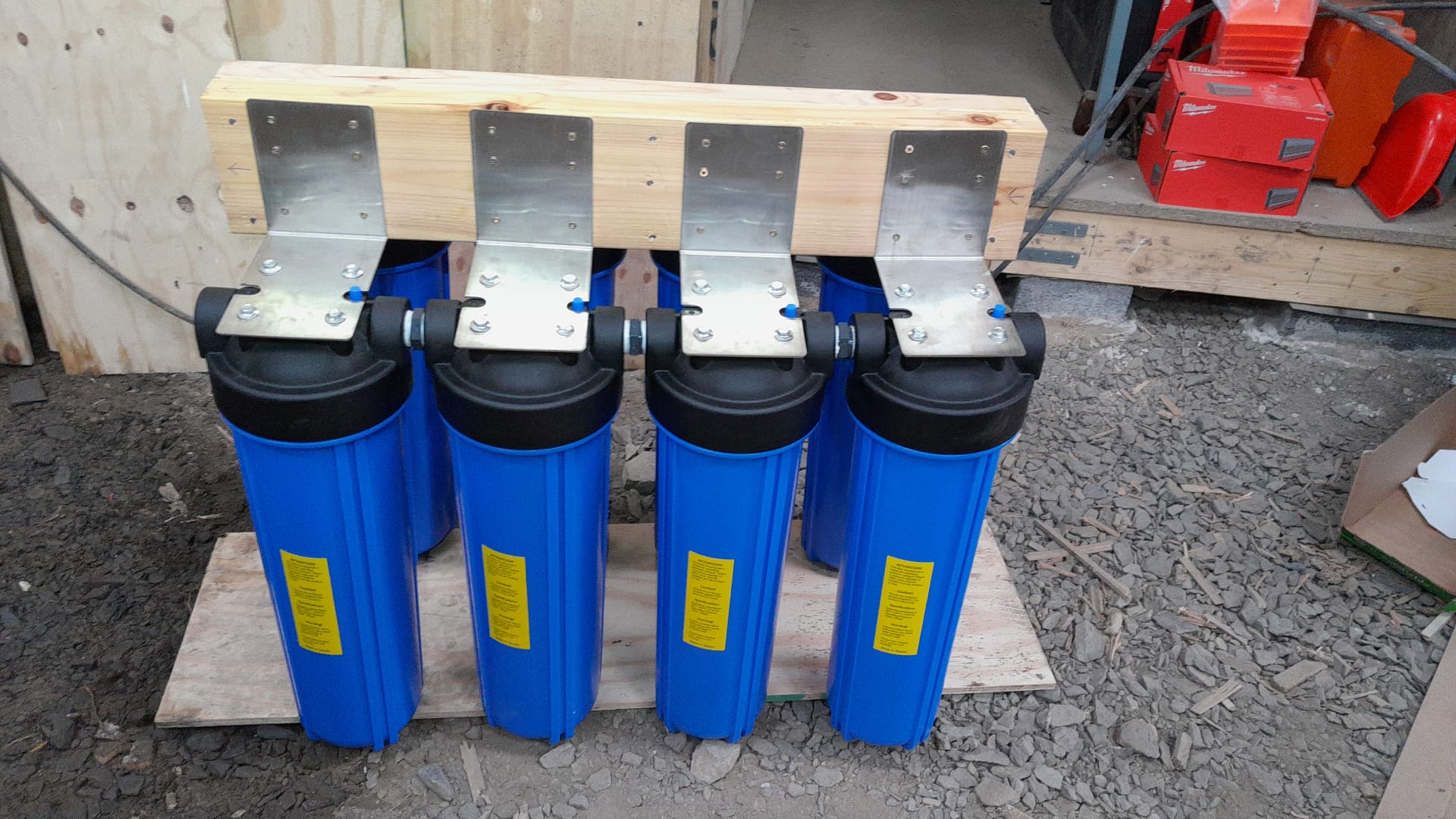
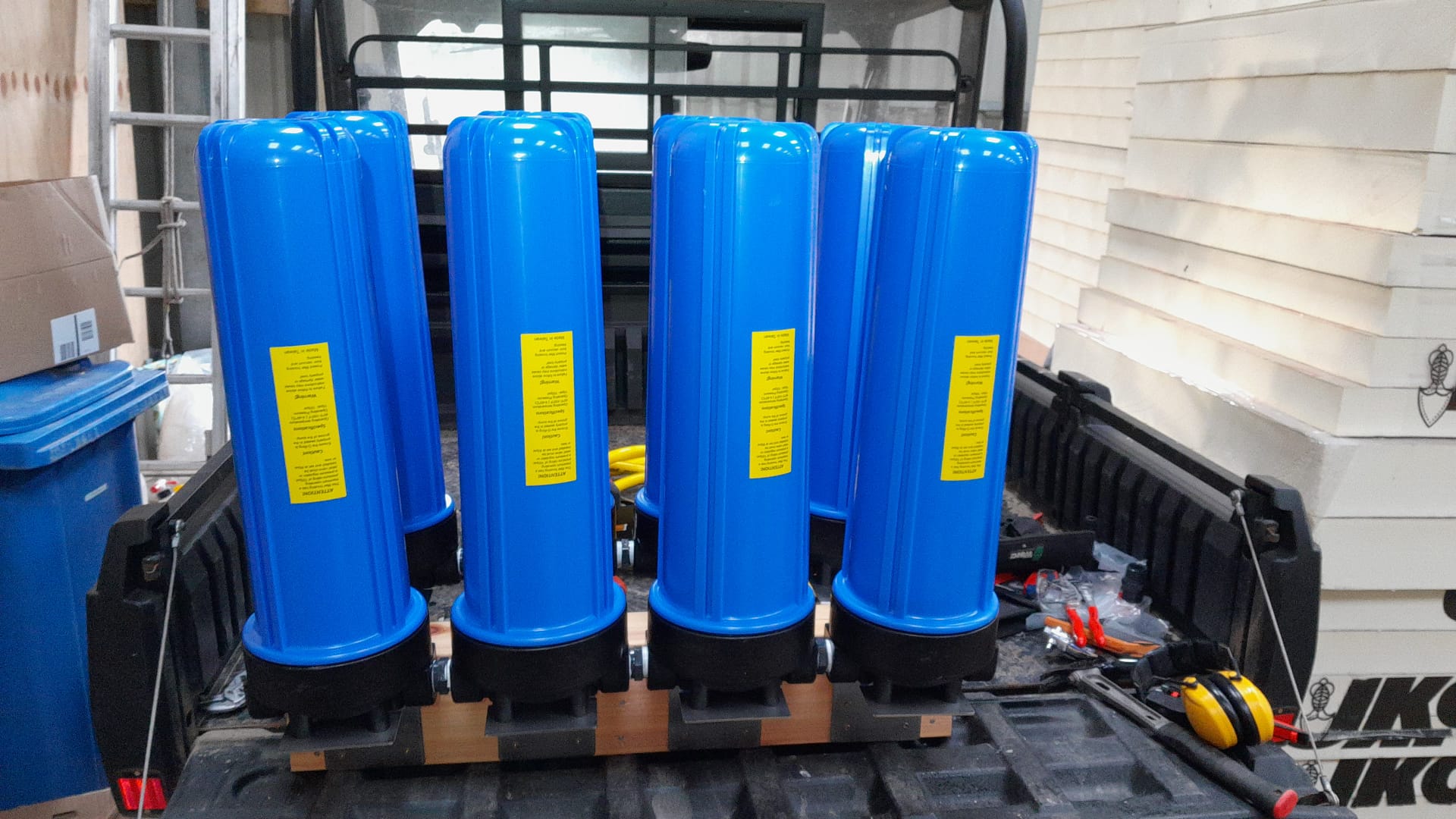
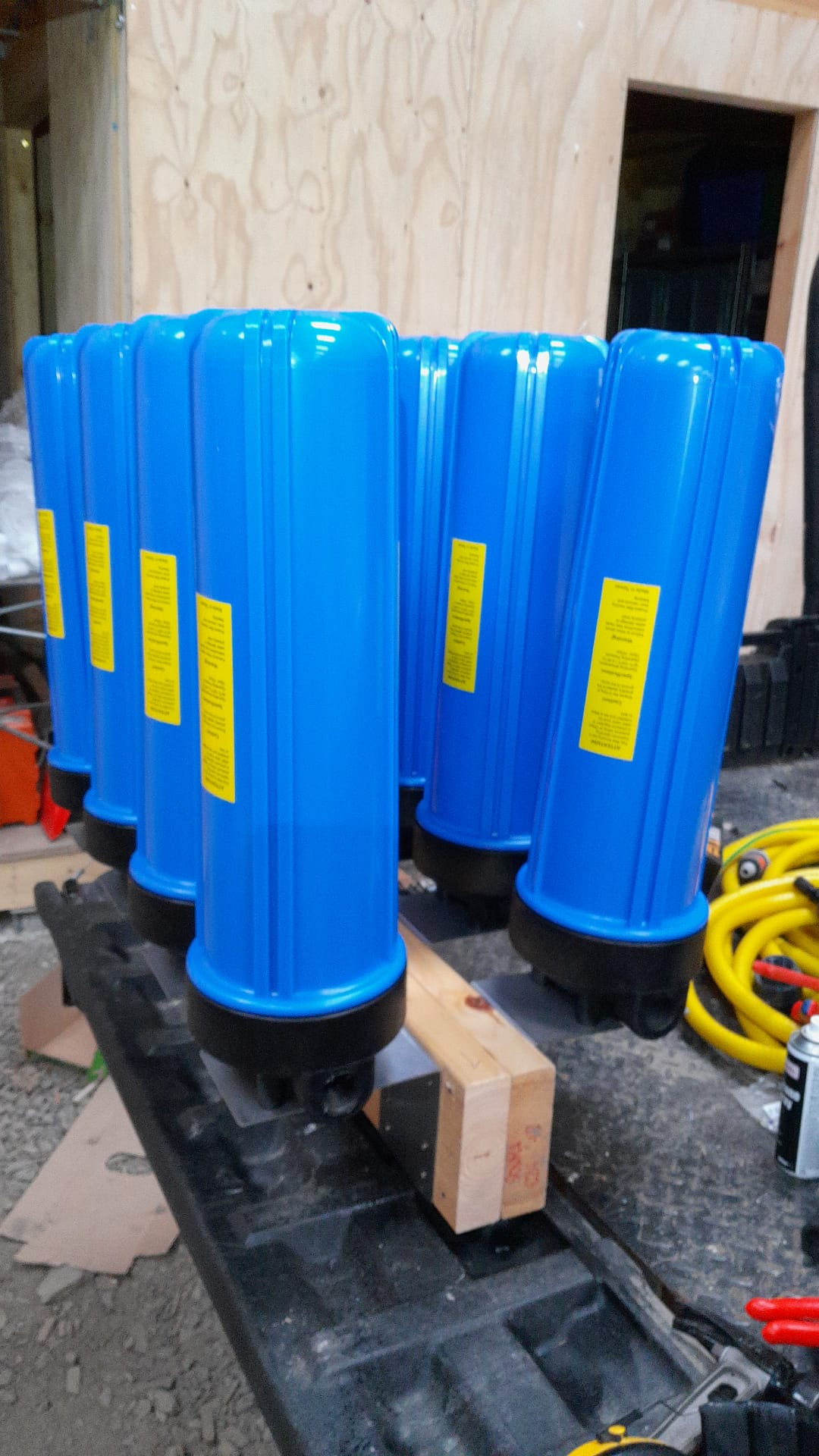
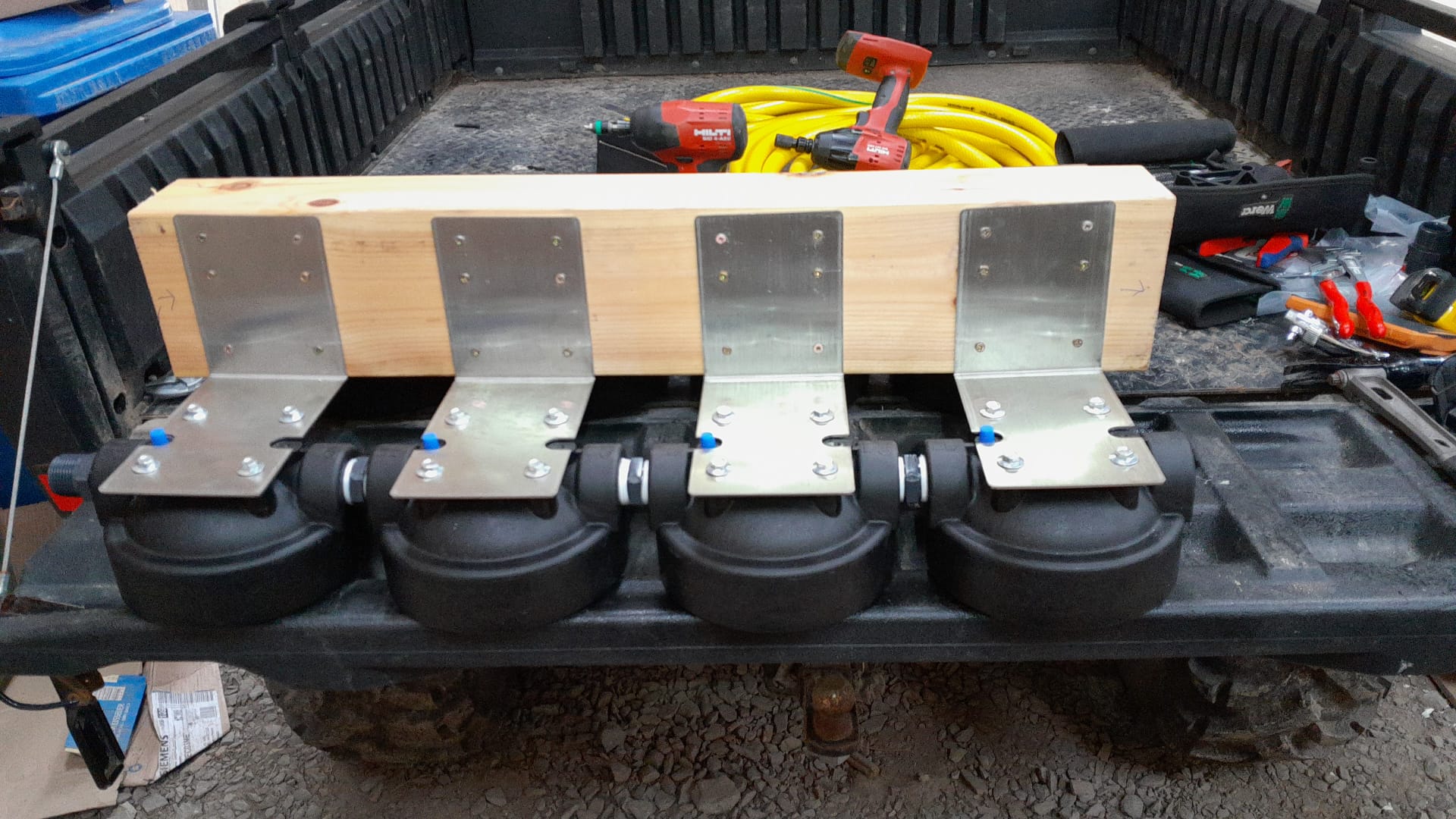
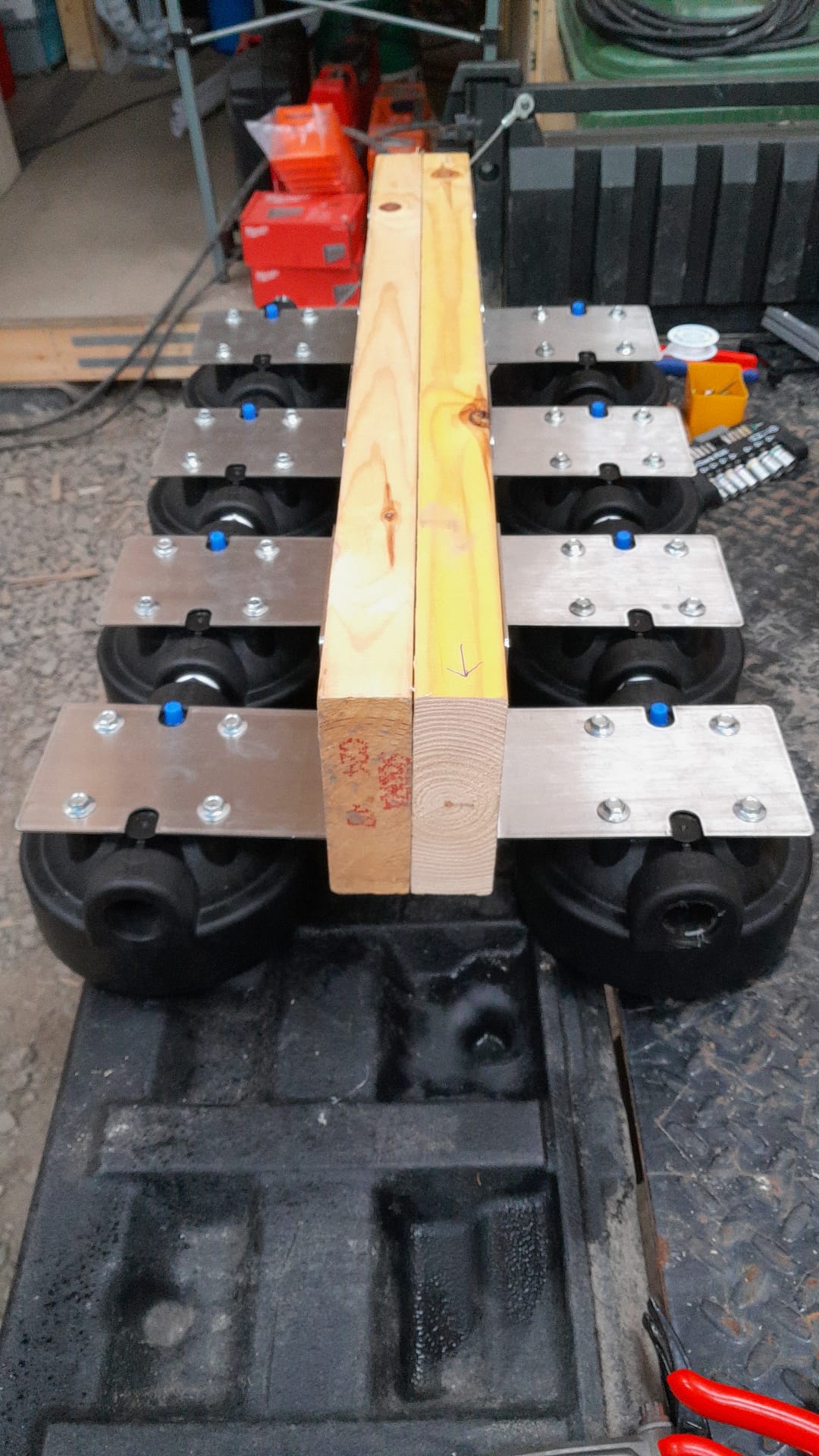
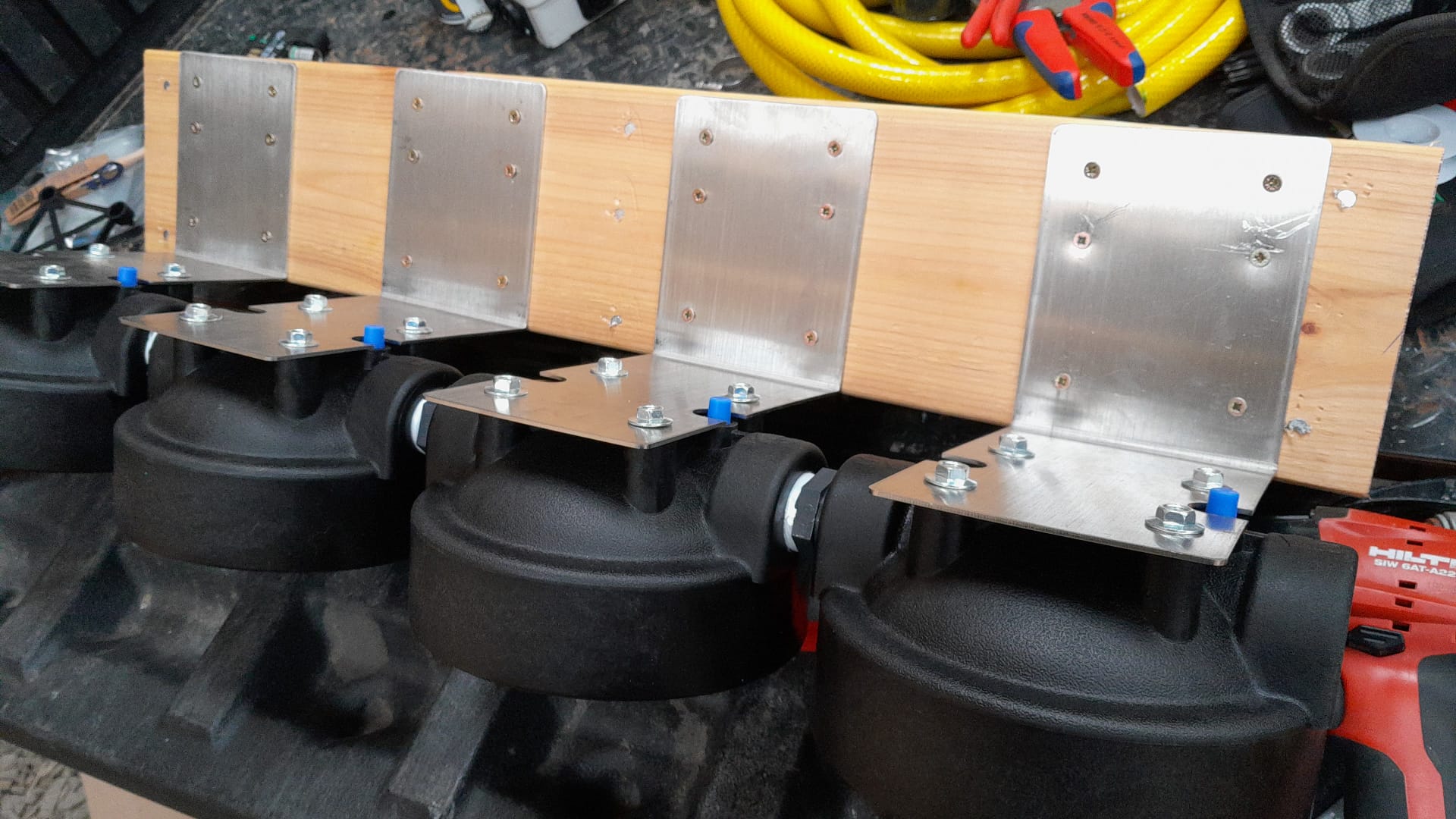
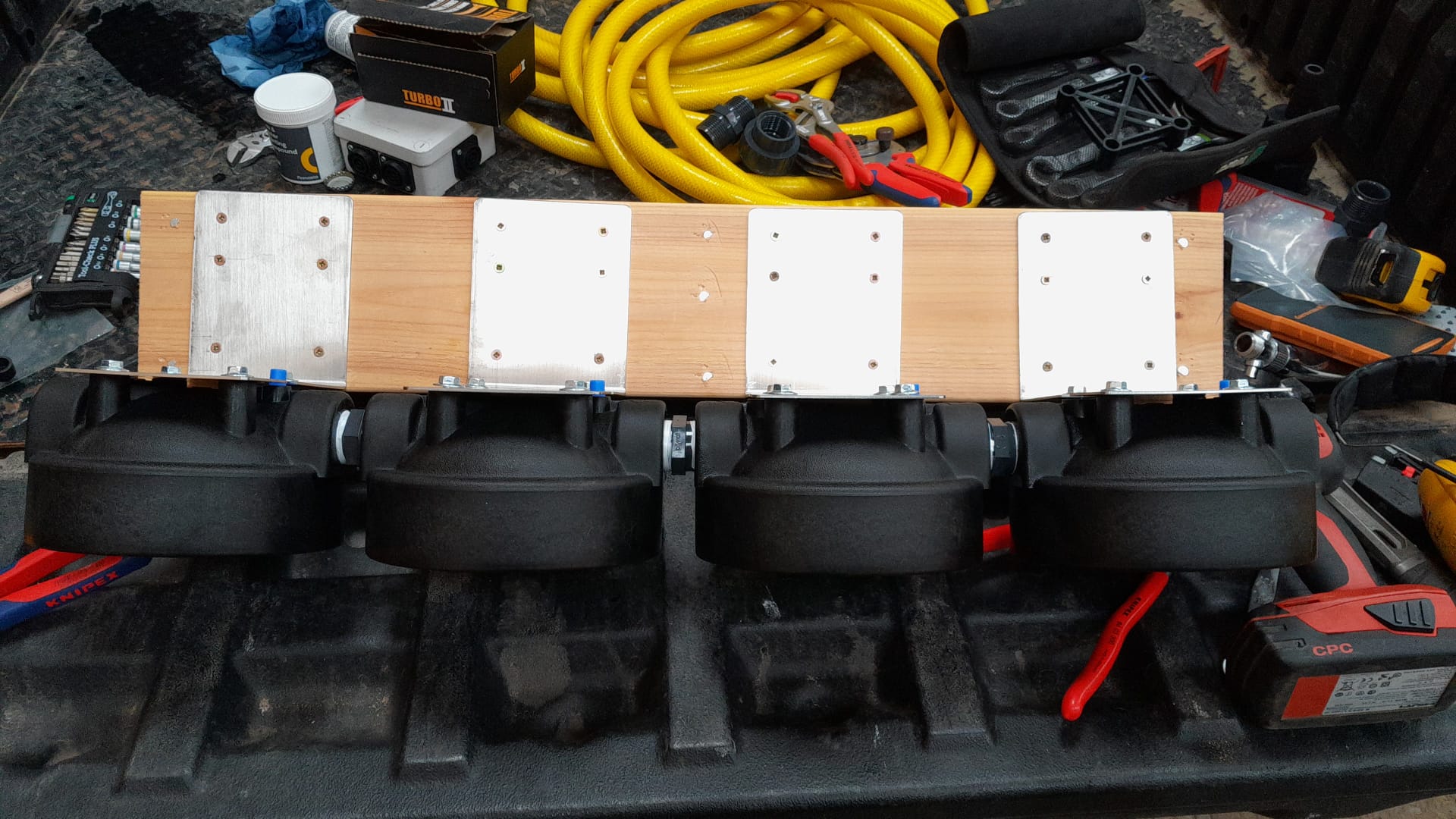
By running 2 strings in parallel we reduce the pressure drop stemming from the sediment filters and allow for maintenance and changing the filters without interruption of the water service to the barn.
The whole installation is just under 1200mm * 800mm (length, width) and fits on a standard EUR-pallet (EPAL).
Next step is to install the pipe works running from the “mains” connection (rainwater from both 6’000l tanks) to the filter housings and from the UV lamp to the DAB EsyBox Mini 3.
With the nearest water connection more than 500m away and crossing a main road plus multiple neighbours’ grounds, we decided to go for a rainwater collection and filtration solution.
So be prepared for a lot of numbers in this post.
In order to size such a system, I first tried to find out the demand of (drinking) water we would have on our plot.
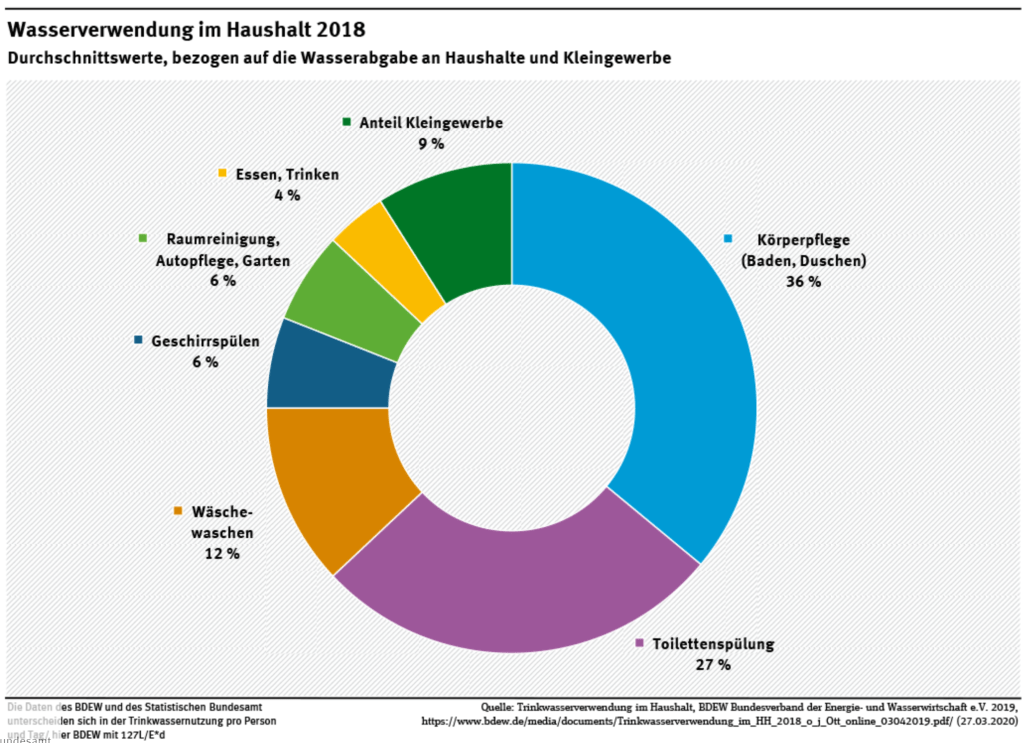
According to a publication of the german Umweltbundesamt every person in Germany used 123l of drinking water per day.
This breaks down to the following parts as seen in the following picture:
Source: BDEW 2019
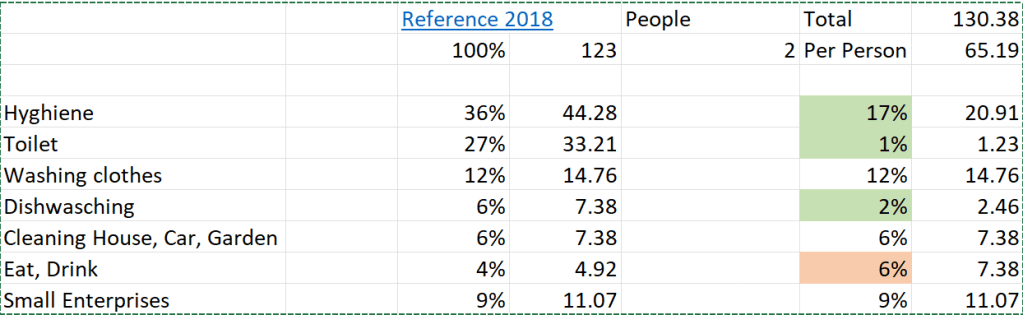
I adjusted the numbers slightly to what I would expect in our environment (for example, as we are using a composting toilet we need nearly no water for the toilet, but I left in the 9% for small enterprises). Percentages in green are estimated less than the provided statistics and percentages in red estimated higher than the statistics:
Summary of water consumption
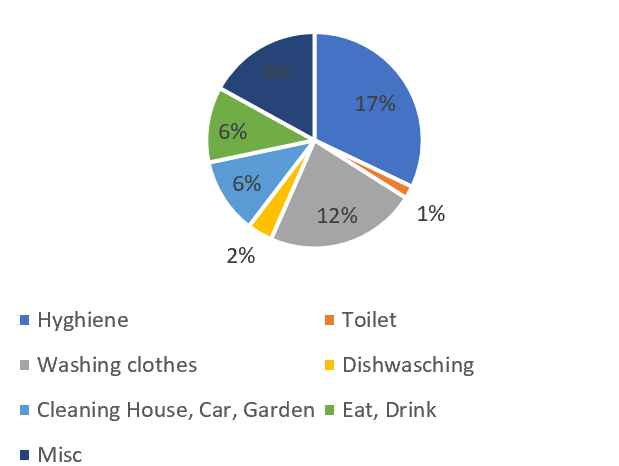
This gives us a distribution like this:
Estimated Water Consumption Distribution (65l)
I then calculated the demand for 2 people of several periods of time:
Demand and Supply
So I came to the conclusion that our 2 people household would roughly need 50’000l of drinking water per year and that with a standard 1000l IBC we could last approximately 7 days (which I the amount of water we can easily carry in one go with the TeleHandler).
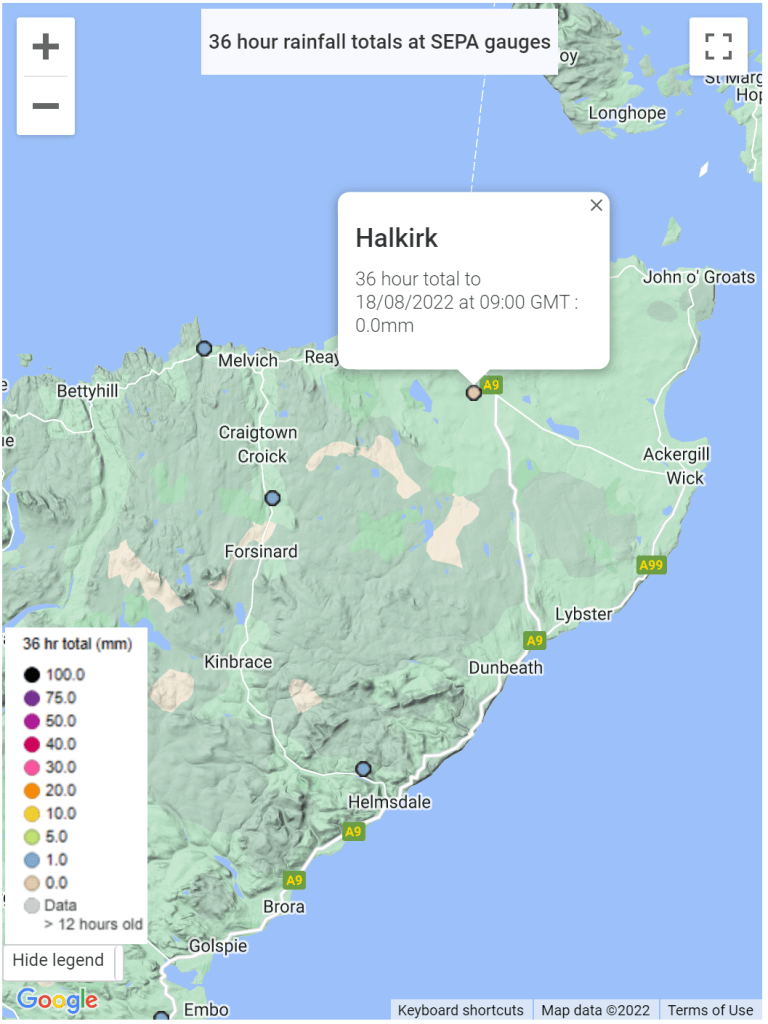
I then went on to the SEPA web site to find information about rainfall data in the area where we are. Unfortunately, the nearest data points on their map are either Halkirk near Thurso or Kilphedir near Helmsdale.
I projected the numbers from this chart to the size of the roof of our barn (roughly 310m2) that would act as our water collection surface:
Estimated rainfall
So even during the last driest months in the last year (June: 8’520l and March: 6’240l), we expect still be more than enough rain (> 4’000l) to supply us with water.
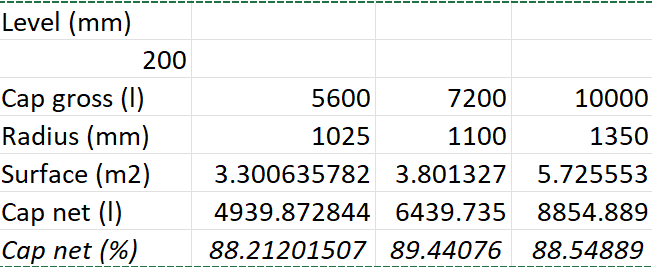
And now to the sizing: As I do not want to empty the tanks completely (there is always some sediment or dirt at the bottom of the tank), I want to be able to leave approx 20cm water level in the tanks.
I looked at the dimensions of water tanks from different suppliers and found these dimensions for the sizes of 5’600l, 7’200l, 10’000l:
Tank sizes and net capacity
So even with a 5’600l tank I could “survive” for a whole month and still had left 20% for increased demand while always leaving 20cm of the water in the tank. And with a lifting capacity of at least 1’250kg we can still move around such a tank if required.
So my sizing conclusion would be to get two of these 5’600l tanks (so one tank could always go into maintenance or act as a backup) and and have two 1’000l IBC tanks for emergency water transport.
Depending on the water tanks and its certification this would cost approx 2’500,00 GBP (without delivery fees or hoses and the like).
Did I miss or forget something? What do you think?
ps – below you find the podcast version of this blog post:








 Our Journey to Scotland