Building a 4-way “industrial looking” junction box

Note: this post continues our adventure of converting a workshop into a flat.

After the successful build of the terminal blocks of our distribution enclosure I continued to design a junction box for the electric wiring in the rooms.

First, I had to decide on the maximum number of connections I would expect to have in a single junction box. I came up with the number of 4. And here is why:

Most of the time, we will have a standard “Tee” to either connect sockets or to distribute to a different part of a room; and sometimes we will have a “Tee” and additionally connect a socket which will be a Feller 2xT23 Standard to which we run 5-core (3LNPE) to distribute phases. Besides, much more than 4 connections to and from the box would be difficult to achieve.

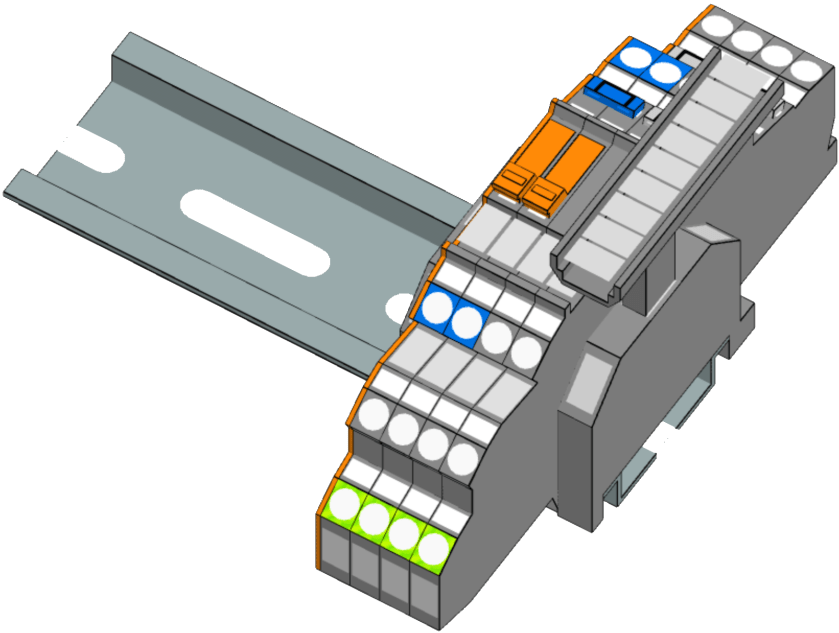
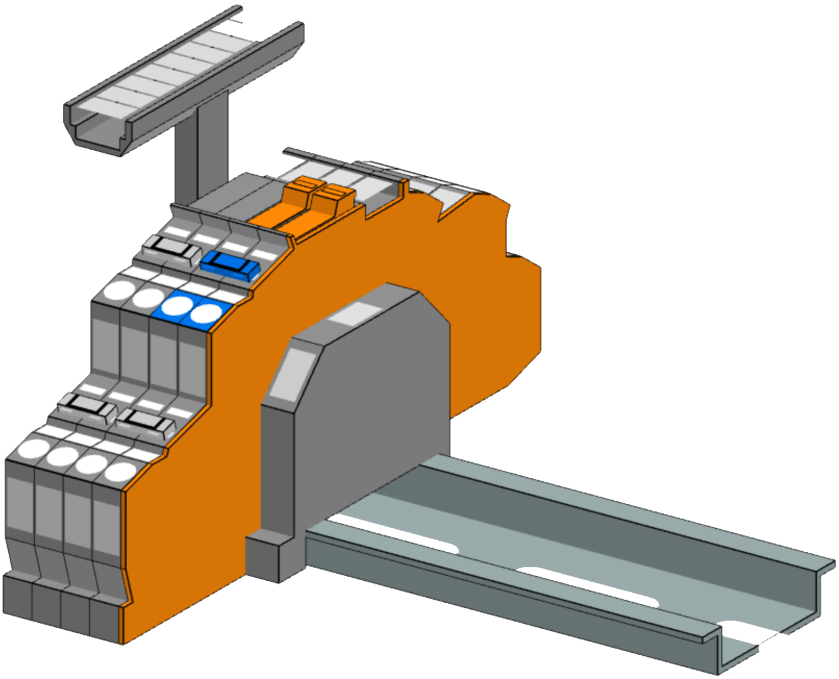
In order to facilitate testing and maintenance, I decided to equip the junction boxes with a neutral-disconnect. For this the Wago 2003-6641 comes in handy (which is much harder to get than the Wago 2003-764x models). It has a lever with a “disconnect knife” that cuts the neutral. As I want a 3LNPE 4-way junction, we have to use 2 of these next to each other with a jumper. That means, depending on what circuit we want to test, we have to remove that jumper as well.

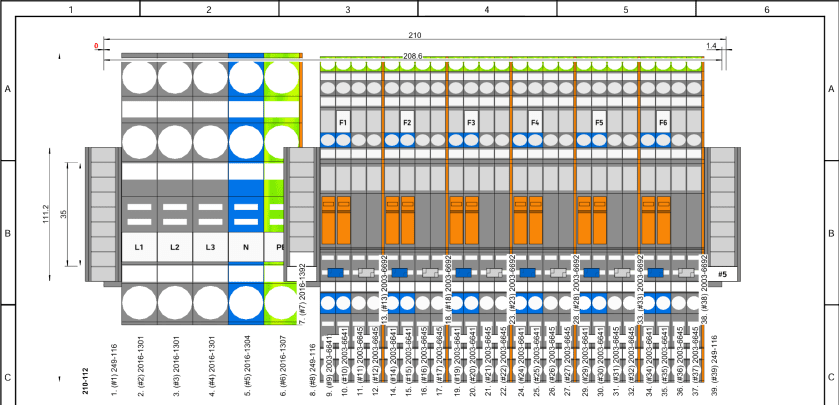
Our initial version would therefore look like this and would fit easily within 2 modules (including stop-ends):
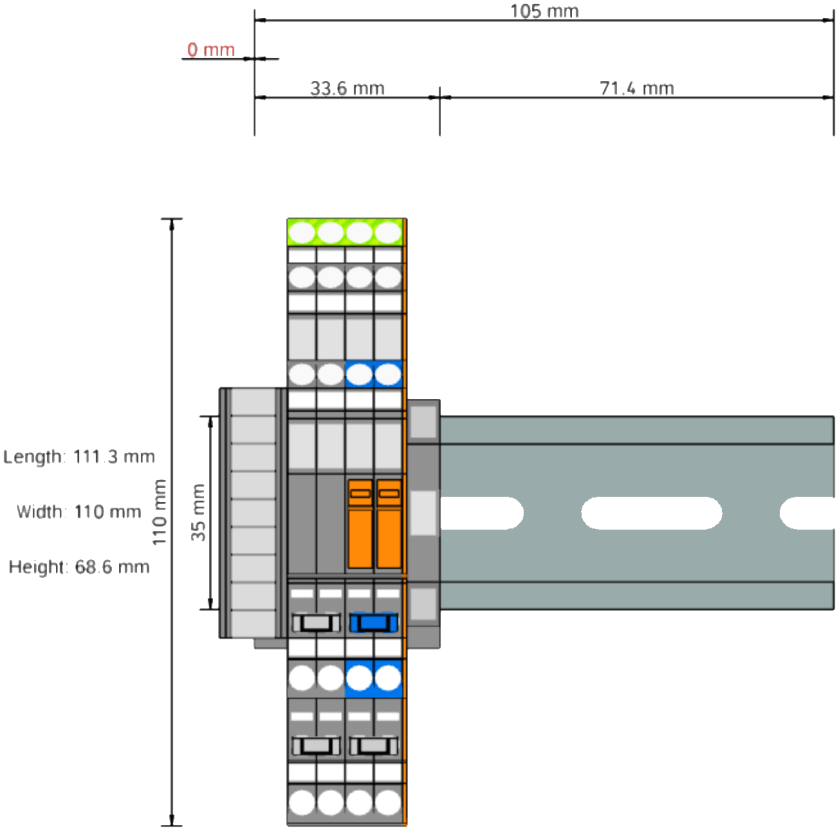
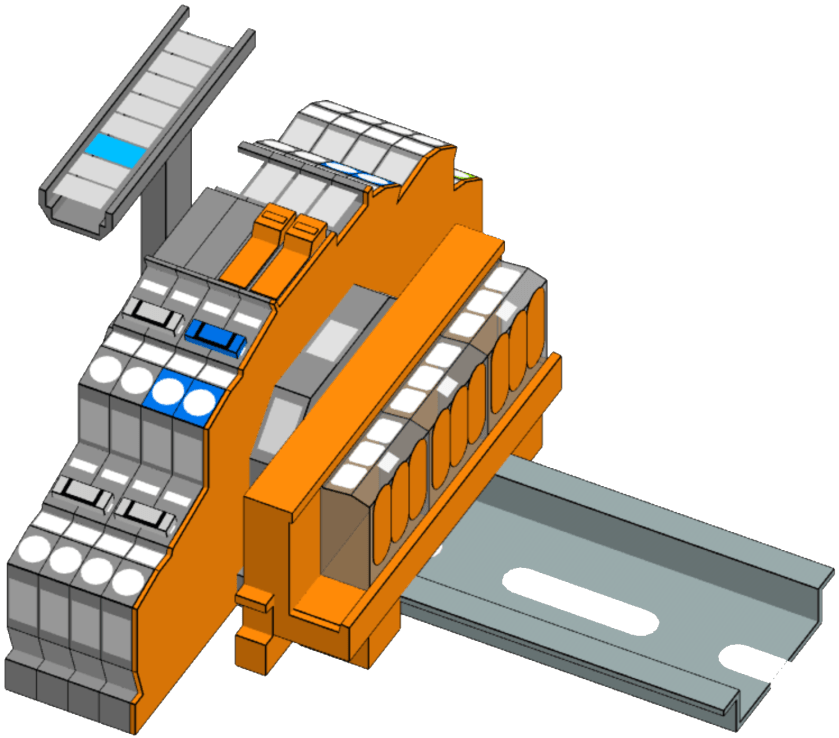
For most of our lights we want to use an Intertechno radio receiver to switch the loads. We already have some existing ITL-1000 which we will be repurposing for this conversion. However, there is also a newer version, the ITL-2000, which can switch two 1000W loads independently – which is actually the preferred way. But this means we have to split the neutral and have additional PE terminals. For this, we use the “Tested and Approved” (anyone remembering this from the 90?) Wago 221-413 connectors mounted on a mounting carrier. So, here is the final layout:
But to make this junction box look “industrial” we have to find a suitable enclosure. In my opinion it must have a transparent cover. Like this (which I found on Amazon):
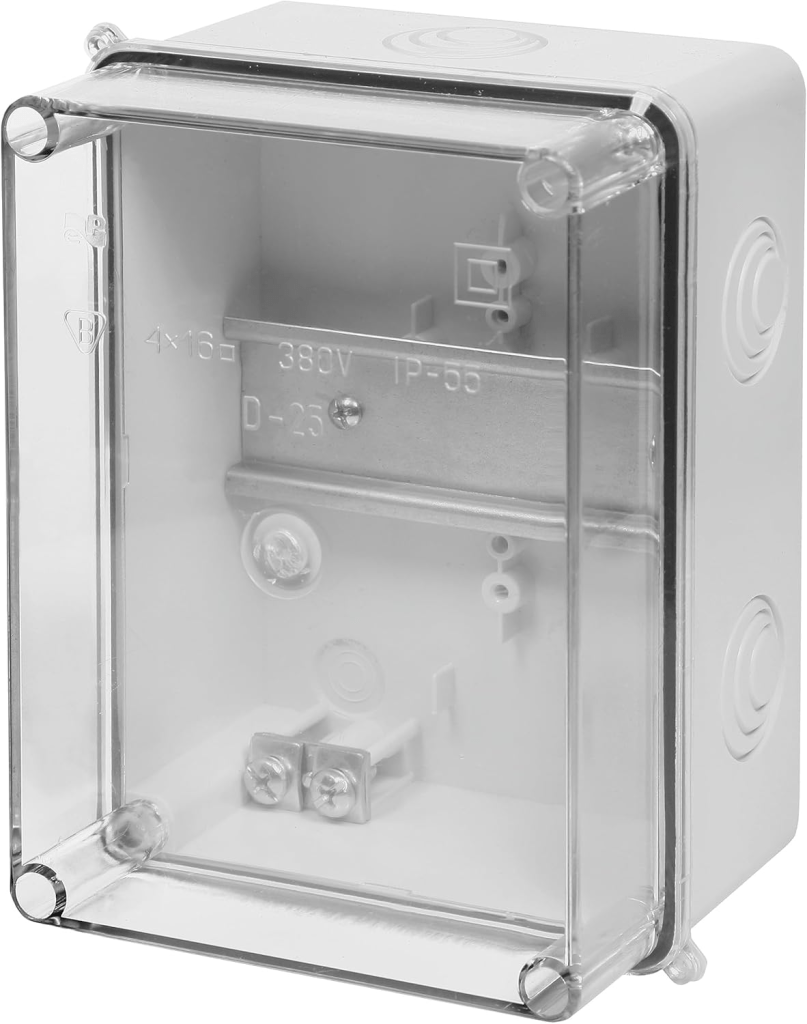
Junction box with transparent cover, image taken from https://www.amazon.de/dp/B07BM58W29

And here the box as a prototype with the terminal blocks with 2003-764x, jumpers missing and an ITL-1000 (the other parts are still in the mail). As soon as I have installed one of these on the wall with all the cabling I will post an update.
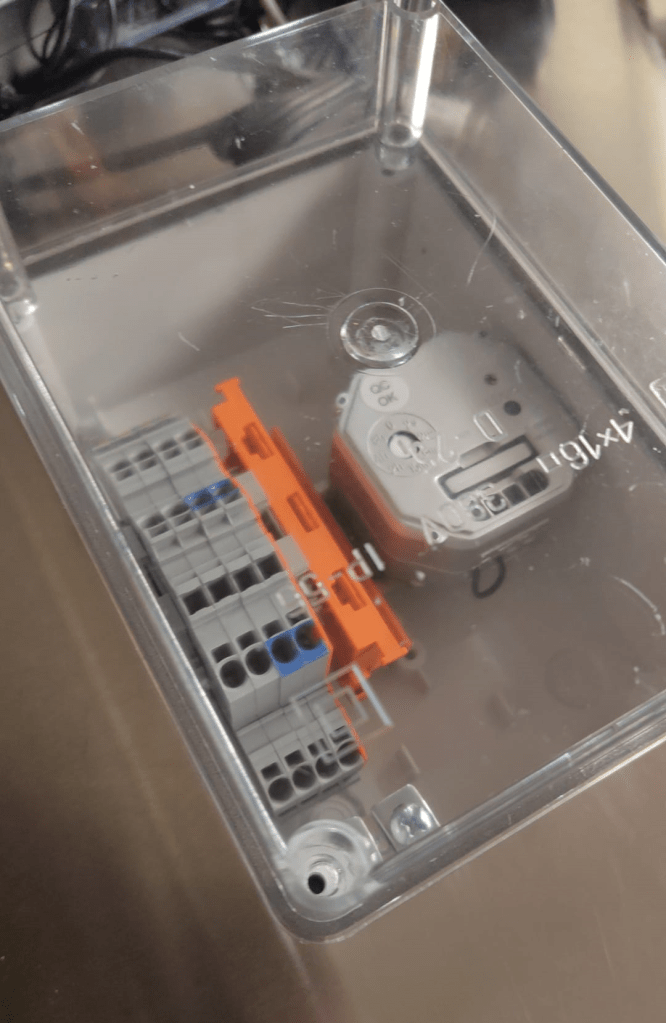
Wago: LEGO for grown-ups

Note: this post continues our adventure of converting a workshop into a flat.

Most of the electrical parts arrived. So it was time to draw the rest of the electricial installation inside the enclosure – and of course to apply some last minute changes …

The first thing I had to change was the vertical bus bars due to a bug in the Hager Ready software which turned out to be not so ready. Based on my RCBOs the software suggested to use a Hager FWB72N3 7-row 2-field 150mm field enclosure – in combination with the 125mm quickconnect bus bars. Surprisingly they did not play along that well. So now, I exactly had to do what I did not want to do: excessive cabling from row to row inside the enclosure. What a bummer. Luckily, there are fixed vertical jumpers available from Hager in the required size:

Problem solved – just not with “quickconnect”. On the other hand, even with quickconnect I would have had to screw in the vertical bus bars anyway.

But now back to our terminal blocks. As we have a total of 11 RCBOs I see no point to install a bunch of separate neutral bus bars. Instead I opted for rail-mount terminal blocks from Wago that are also known as Wago TOPJOB S (how this rolls off the tongue). And Wago provides a web-based Smart Designer to help layout the terminal blocks and fight through their jungle of product names.

And this is what I came up with first:

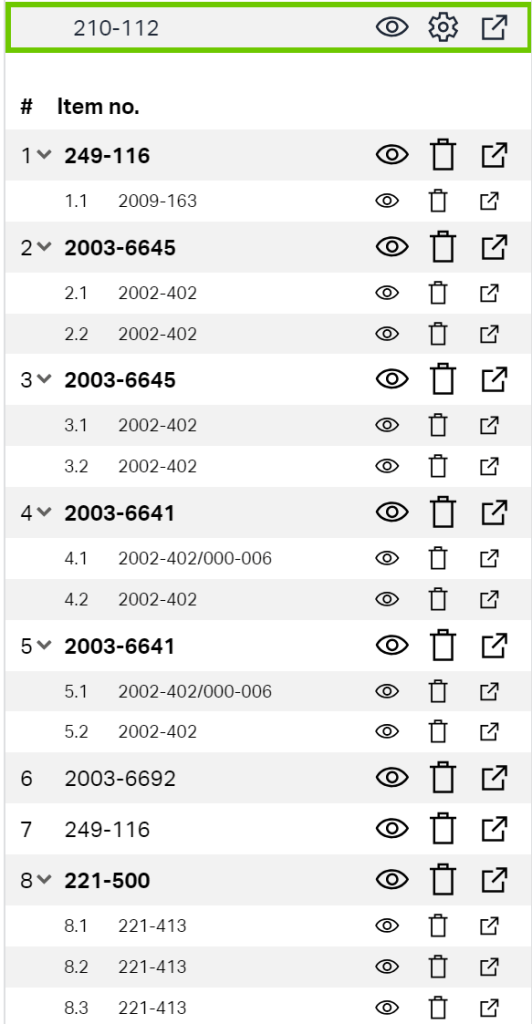
Looks neat?! The software goes even further and produces a comprehensive bill of material which facilitates ordering the right stuff:

Wago bill of material for our terminal blocks including acessories, taken from Wago Smart Designer

But there the next problem was already waiting for me. As I wanted to connect the RCBOs not directly to the cabling that led to the appliances, but via a row of terminal blocks, I found out that despite the FWB72N3 being a Type II enclosure the upper to DIN rails were not insulated from the main chassis. So, I could not use these DIN rails to distribute PE over it – unless I replaced them with 4 UTC22C. Another “bug” in the Hager Ready software? Ok, not really a bug, but definitely a nuisance. The longer the more I began to question the advantage of buying a pre-fitted and pre-installed enclosure and using an app that calls itself “Ready” (with capital R).

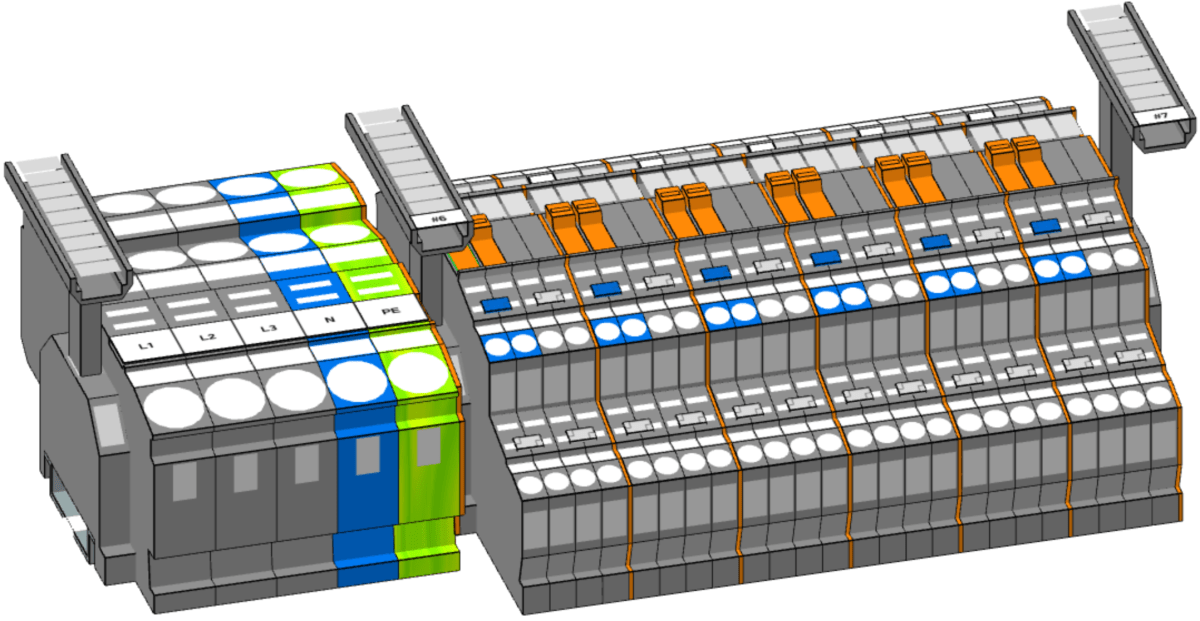
And just when I thought I was finished, I changed my mind and added a neutral-disconnector into every outgoing RCBO connection – to facilitate testing an future maintenance. Now, I just have to lift the orange lever and the neutral is disconected – no plugging and unplugging of cables, no lose ends …

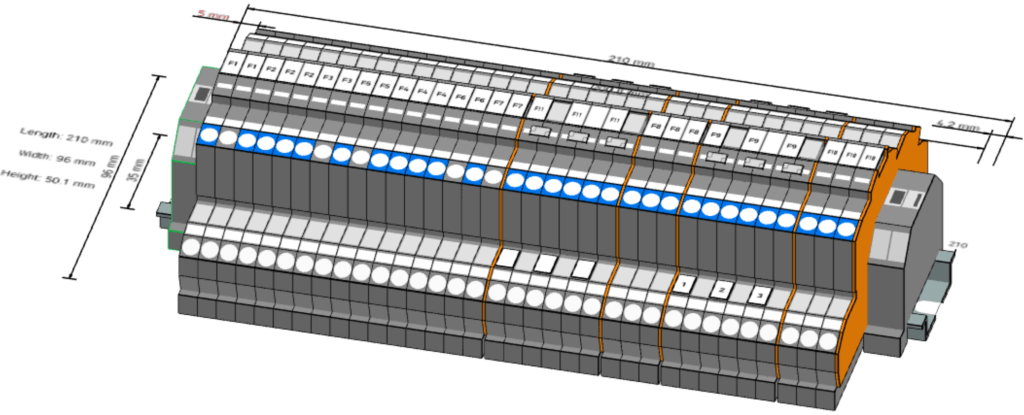
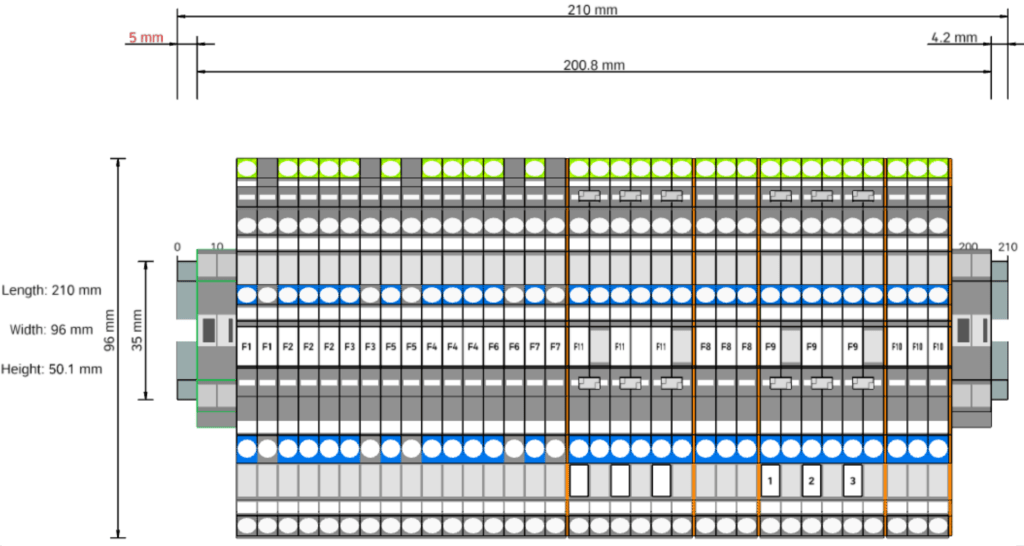
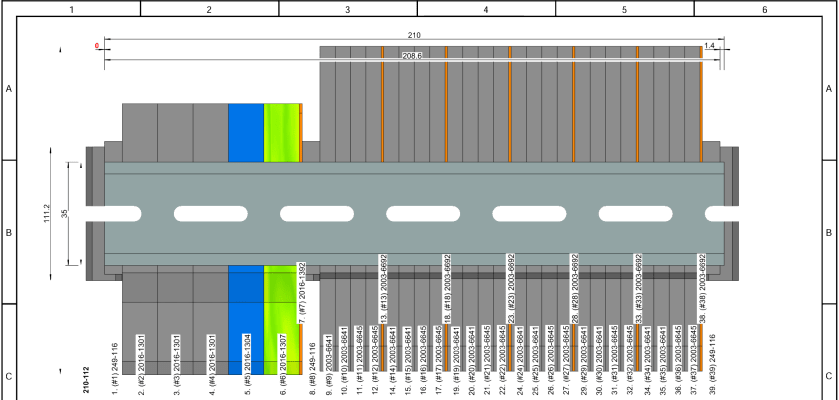
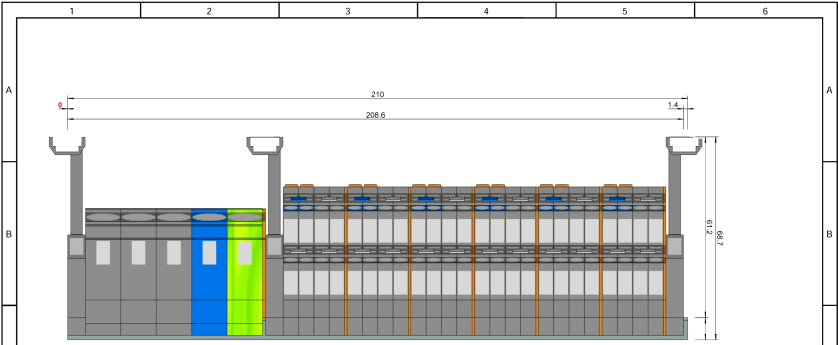
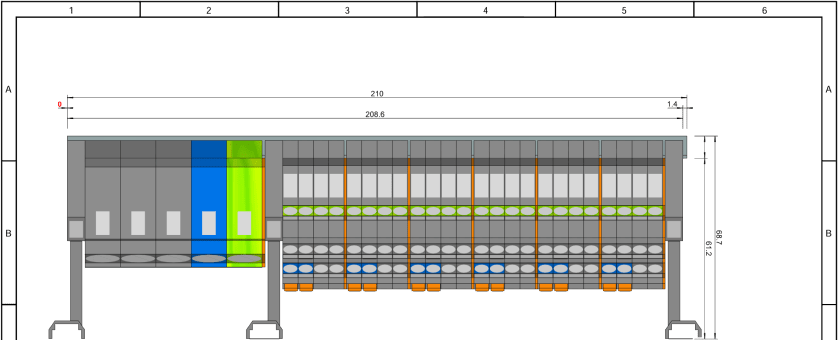
And this is what the final model of our layout looks like (and it just fits onto a 210mm 12 module DIN rail):

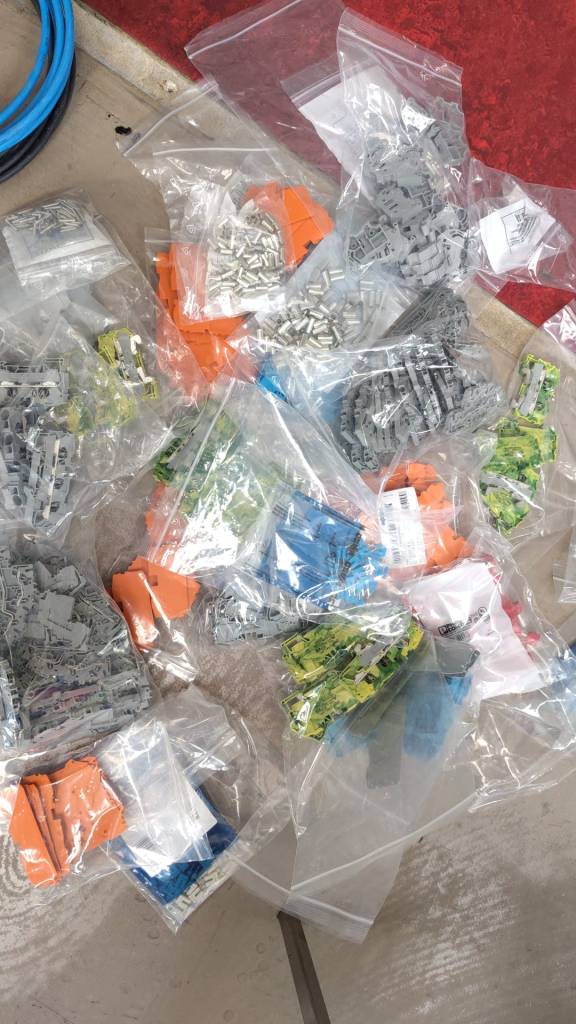
I must say, playing with the Wago configurator is a lot of fun. And unpacking it is also great – reminds me of my long-gone days of LEGO:

Wago – LEGO for grown-ups

With these 2 rows of terminal blocks I can easily change my configuration inside the enclosure or the cabling in the rooms without affecting each other.

The main terminal blocks accept 16mm2 for fine-strained wire and 25mm2 for fixed wire and the rest of the blocks accepts 2.5mm2 (fine-strained) or 4mm2 (fixed). Enough for all of our cabling needs. Each of the smaller terminal blocks accepts up to 20A whereas the larger terminal blocks accept 76A (all at 230V)

The next thing is to design a junction box for the rooms to distribute the cabling to the appliances.

Will keep you posted.

Converting a workshop into a flat

Now, that we just finished our plumbing course, it is time to apply our freshly acquired skills.

A prowd owner of a Certificate of Unit Credit towards Level 2 Diploma in Plumbing Studies

What better opportunity could there be than to convert an old workshop into a modern flat? During the next weeks we will document our plans and progress towards that conversion.

These are the things that need to be done:

  1. Add an interiour wall to separate bath room from kitchen
  2. Add an interiour wall to separate bed room form entrée
  3. Paint walls and ceiling
  4. Lay laminate flooring
  5. Rewire electricity, add energy meter and distribution board
  6. -and of course now to the plumbing- Install pipe work for water in bath room and kitchen
  7. Move soil stack up to first floor
  8. Install shower, toilet, basin and washing machine
  9. Install kitchen sink and dish washer
  10. decommission existing connections
  11. … and clean up and make space first

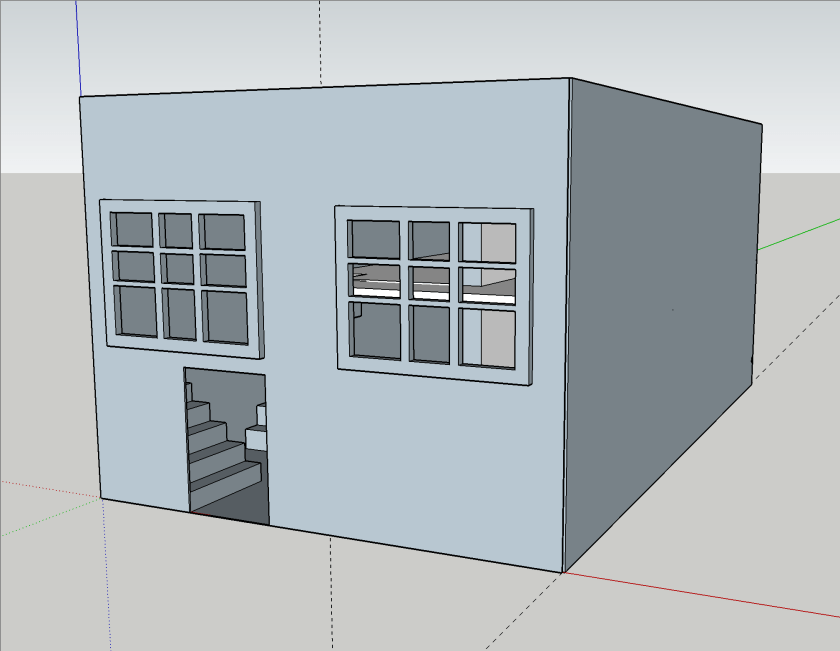
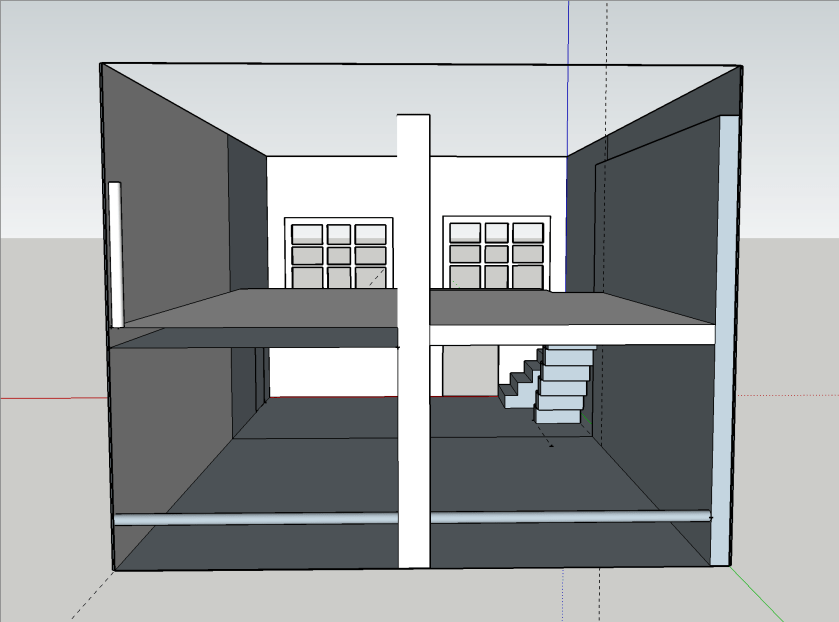
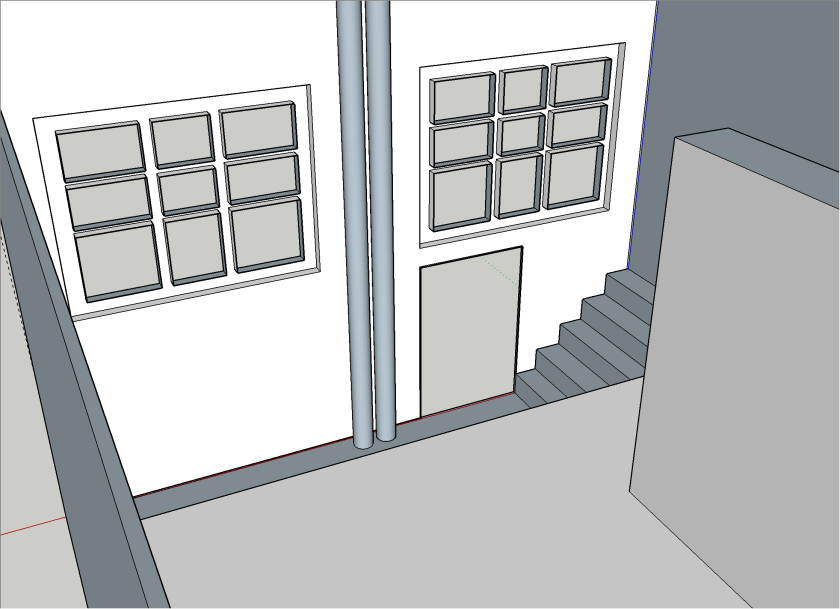
We first started with a basic room layout which I did in Sketchup Make 2017, the last *free* version of Sketchup by Google (now owned by Trimble). Though Trimble does not support or offer that version, thanks to the Internet Archive Wayback Machine the version can still be downloaded.

Note: the “PRO Trial” will revert to the free version aftert 30 days.

My last Sketchup experience dates back to 2015 when I modelled the packaging for the beer bottles of our then breweey, so the model I came up with now (not completed) is not really stable not particularily beautiful. But you will get an idea.

As the walls of the building are made of ferroconcrete and we are not fans of flush mounting we decided to put all the pipework and cabling on the walls and not hide them in conduits.

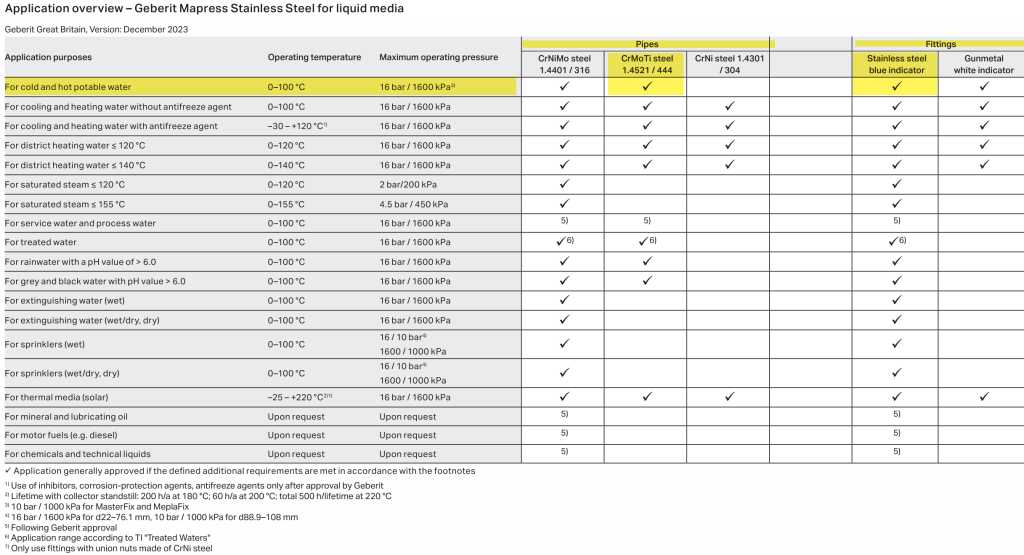
For the pipework we decided to use Geberit Mapress 15mm stainless steel pipes. There we go for the slightly cheaper 1.4521 variant (and not 1.4401) which is also approved for drinking water:

Application overview – Geberit Mapress Stainless Steel for liquid media, taken from https://cdn.data.geberit.com/overviews/GB-en/DAS_157952.pdf

For the electrical installation we have to install a distribution board with a separate energy meter. For this, we chose Hager and wanted to try out the quickconnect system, where everything is just plugged into place instead of being screwed down.

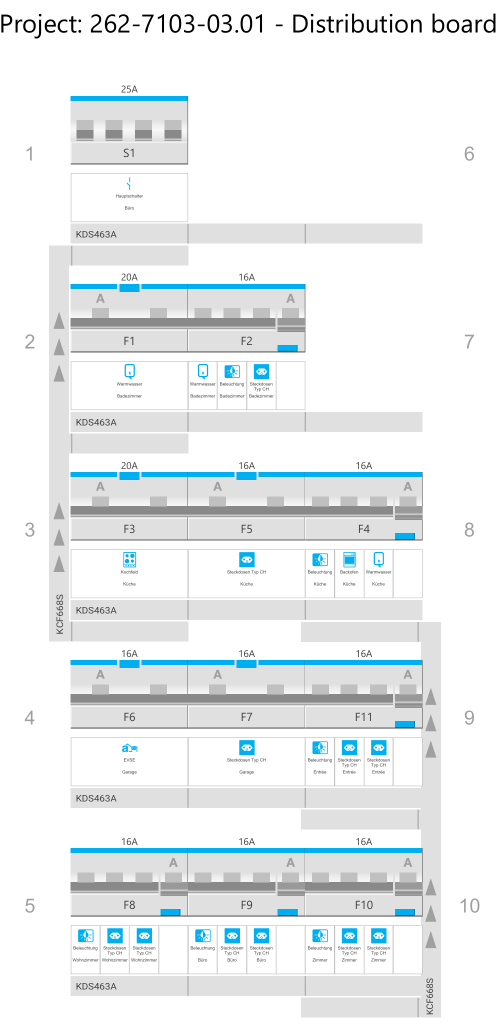
With the Hager Ready app (on Windows) it was suprisingly easy to configure and validate the layout (though the “wizard” was not working in my favour and always picked the “wrong” products which is why I added the components manually):

Distribution board with components

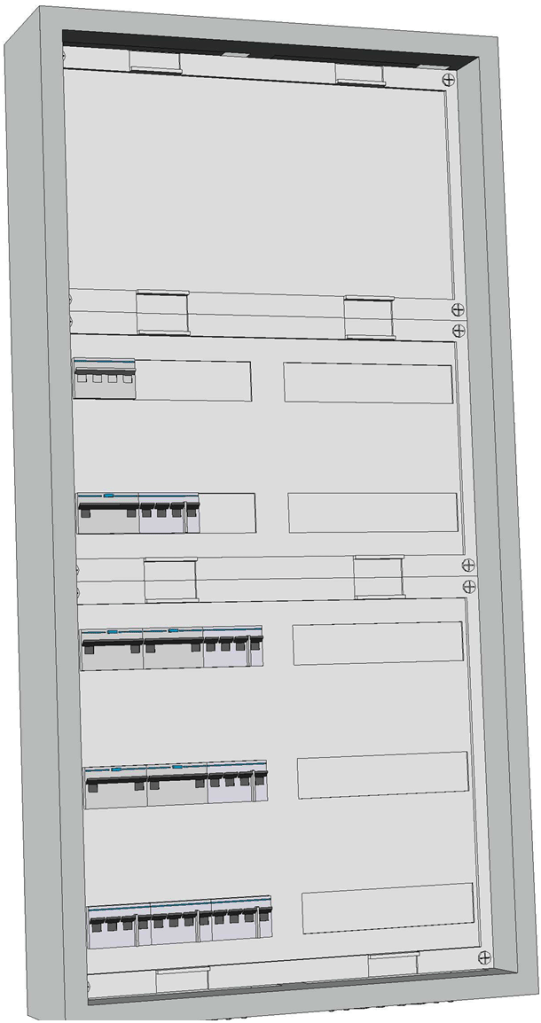
It even generated a 3D view of the selected enclosure:

3D view of enclosure

For the connection of the actual wires from the rooms to the 11 RCBOs I chose to go via 2003 WAGO DIN rail terminal blocks (on row 1 of the board). So with quickconnect in place and these terminal blocks, I only have to run 56 2.5mm2 wires (plus one 16mm2 PE) for the whole distribution board!

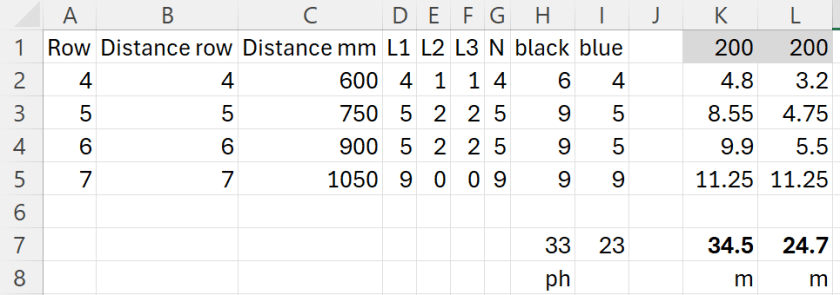
To make calculation of the required cable lengths a little bit easier I threw the numbers into this spread sheet:

Required cable length for a 2×7 distribution board

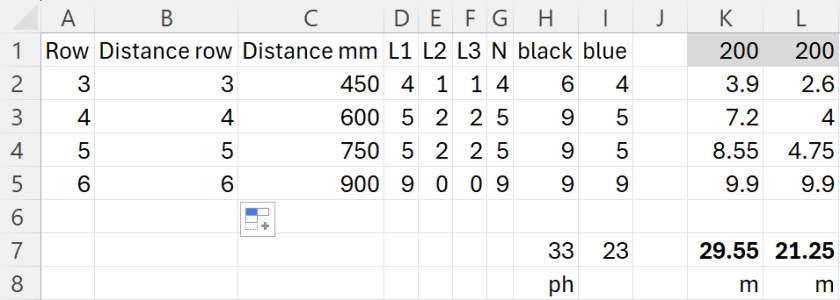
For 33 phases and 23 neutrals RCBOs I would need nearly 60m of wire! This is because I really cannot use bus bars for neutral. For a comparison: If I had got a 2×6 distribution board I would have used nearly 10m less for the internal cabling (but unfortunately, there was none available):

Required cable length for a 2×6 distribution board

I ordered most of the electrical stuff today and will have an update on it when the material arrives.

And this is it for today.

Sunrise in Caithness

Thursday is bin day for where we are. So, on my way to the main road across our neighbour’s plot I came across this stunning view which my phone camera hopefully truefully captured. On the right (toward south-east), we can see the newly installed turbines south of the existing Beatrice wind farm.

Func fact: despite all the power off-shore, the electricity line you see running through the pictures (from north-to-south, left-to-right) seems to be only an 11'000V line shared by all the houses along the coast with 3-phase power generally not being an option up here but frequent power-cuts included as part of the service level agreement.

Just that you know … ( 2 )

Some time ago, we announced our ever-expanding presence on then Twitter, now X. And now, we depart from that:

We are no longer posting to Twitter or X, as others such as The Guardian also already announced. You can find news and posts apart from here on our Youtube channel in the Community section.

We will try to get the content from there to here and eventually close the account.

Getting a CSCS card in the UK

For certain tasks or jobs in the United Kingdom a trades worker is required to have a “Construction Skills Certification Scheme” card – CSCS for short. Primarily targeted at the construction industry and not being a legal requirement a worker might still need this card even when working in different sectory such as electricity or plumbing. Actually not this card, but some card – as they come in different types and colours (see below).

CSCS – Types of CSCS cards, https://www.cscs.uk.com/types-of-cscs-cards/

But it does not end there. The UK being the UK not only has one body to award these cards but a whole CSCS Alliance working under the recommendations of the Construction Leadership Council that currently (today, 2025-01-12) seems to consist of 38 (sic) members. That means that your card could come from CSCS, SKILLcard (which have also all sorts of colourful cards, see image below) or from ALLMI, the Association of Lorry Loader Manufacturers and Importers, that only offer a white card.

SKILLcard- Types of SKILLcard, https://www.skillcard.org.uk/types-of-skillcard

And the hat goes deeper. With Scotland, Northern Ireland, Wales and England, all being a nation in the Kingdom (first question every aspiring plumber must answer, for those who know), they certainly operate different schemes for electricians, plumbers and the like (sometimes combined, joined, separate, you name it). Examples:

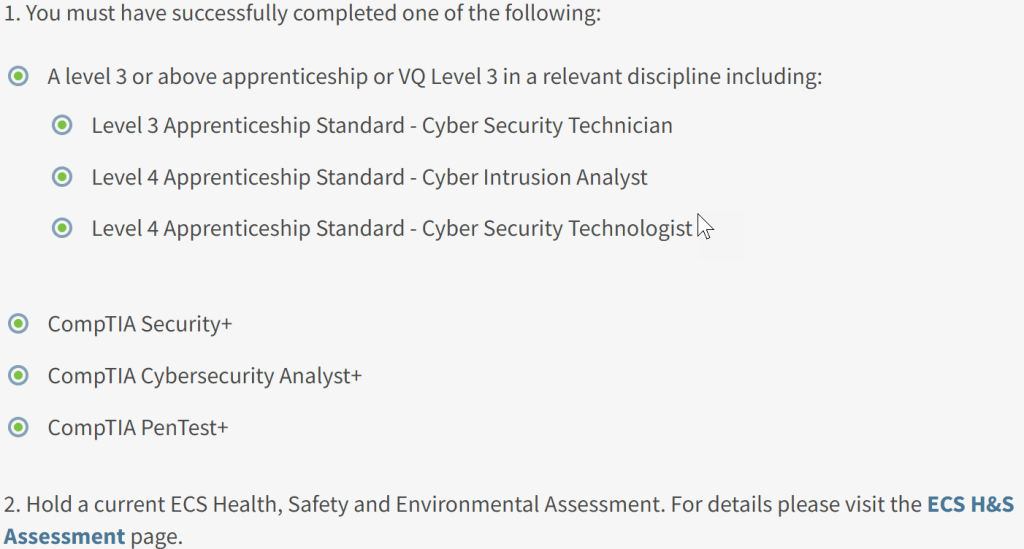
All these cards differ – sometimes more, sometimes less. E.g. the Electrotechnical Certification Scheme of the JIB offers a “Gold Card” (Digital Security Technician) with some relatively easy entry requirements, such as a CompTIA Security+ certification. In contrast, a plumber would need a Level 3 NVQ and some years of experience to be admitted for a “Gold Card”.

Side note: the Electrotechnical Certification Scheme in Scotland (SJIB) does not offer this type of “Gold Card” and you can only apply for it when you have an address in England.

Digital Security Technician – Eligibility and requirements

But of course, if you do not want to go for “Gold” and are happy with a “White Card” as a Professionally Qualified Person there seems to be a a much easier route:

You simply join the British Computer Society as a member (optionally by providing “evidence” of some over-sea qualification) and then apply for the “White Card” with CSCS.

But hold on, isn’t there a requirement to pass a Health, Safety & Environment test for Managers and Professionals (HS&E MAP) with CITB (as needed for most of the cards)? With this test we are supposed to make sure we follow and understand health and safety requirements such as RIDDOR, CDM and the like. Rest assured – we got you covered.

Except – for this PQP we do not need to prove our knowledge to CITB, an independant testing provider, and achieve a 90%+ score to pass the test as everyone else. We are professionals (the hint is in the name) and therefore may take a self-invigilated exam with the Construction Industry Council (CIC): the CIC Health & Safety Certification. This consists of a learning web site at the cost of <50GBP where we study everything we need. And after that, we take the exam “closed book” and a work colleague of yours makes sure you do not cheat. After all – we are professionals.

So, in the end we get a “White Card” with the CSCS logo as “proof that individuals working on construction sites have the appropriate training and qualifications for the job they do, thereby helping to improve standards and safety in UK construction” (https://www.cscs.uk.com/). Glad to read.

CSCS cards – “proof [for] appropriate […] qualifications […] helping to improve […] safety in the UK”, https://www.cscs.uk.com/

The empire strikes back…